Outdoor Kids Play Area: The Ultimate Guide to Creating Fun, Safe Spaces

Imagine stepping into your backyard and seeing a vibrant, engaging space where your children can laugh, explore, and grow. An outdoor kids play area isn’t just about keeping kids busy—it’s about creating an environment that nurtures their development while bringing families together. In today’s world, where screens often dominate attention, having a dedicated outdoor play zone encourages physical activity, sparks creativity, and builds lasting memories. From simple setups with swings and sandboxes to elaborate adventure zones, these spaces transform ordinary yards into magical realms where imagination runs wild. The benefits extend beyond entertainment: outdoor play areas promote physical health, social skills, and cognitive growth. They offer a safe haven where children can test their limits, learn through play, and connect with nature. Whether you have a sprawling lawn or a cozy patio, designing an outdoor kids play area can be tailored to fit any space and budget. This guide will walk you through everything you need to know to create a functional, exciting, and safe play zone that your children will cherish for years. Let’s dive into the essentials of building the perfect backyard retreat.
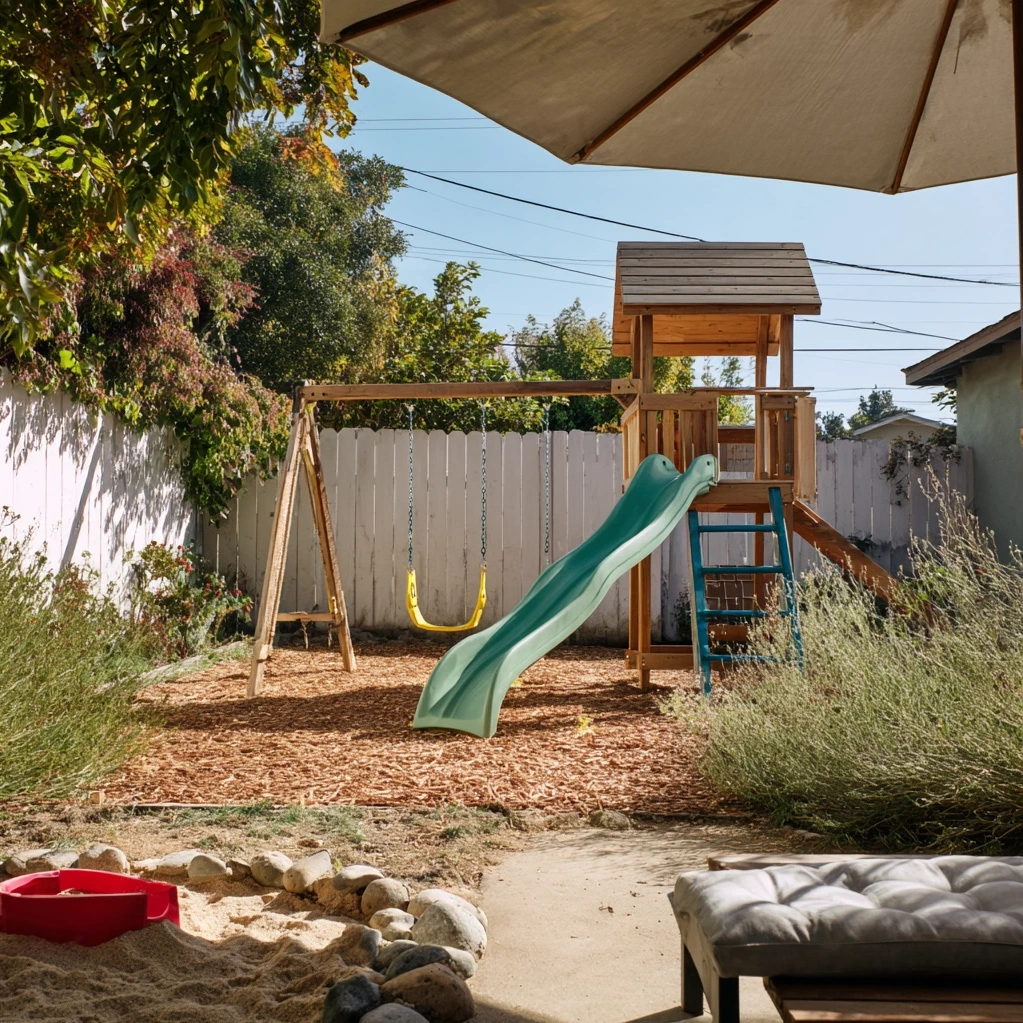
Essential Elements for Your Outdoor Kids Play Area
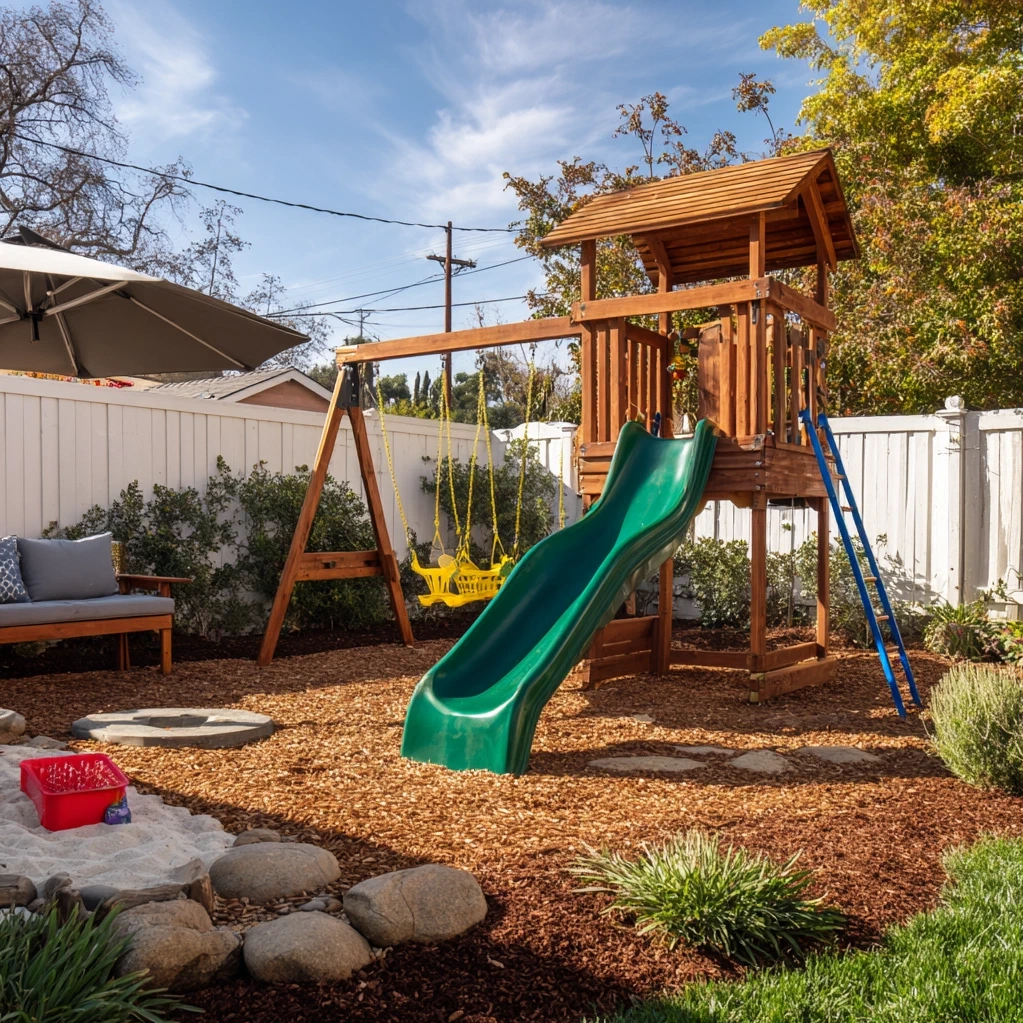
Creating an engaging outdoor kids play area starts with selecting the right elements that balance fun, safety, and durability. Focus on age-appropriate equipment that encourages active play and imaginative exploration. For younger children, consider low-height structures like small slides, sandboxes, and soft-surface climbing frames. These promote motor skills without high risks. Older kids might enjoy more challenging features such as rope courses, swing sets with higher seats, or interactive panels that stimulate problem-solving. Don't overlook the importance of seating and shade—benches for parents and covered areas protect from sun exposure, making the space usable throughout the day. Materials matter too: opt for weather-resistant woods, rust-proof metals, and non-toxic paints to ensure longevity and safety. Incorporate natural elements like rocks, logs, or plant borders to blend the play area with the garden environment. This not only enhances aesthetics but also teaches children about nature. A well-planned outdoor kids play area should offer variety: active zones for running and climbing, creative corners for arts or pretend play, and quiet spots for reading or puzzles. By mixing these elements, you create a dynamic space that adapts to different moods and activities, keeping children engaged for hours.
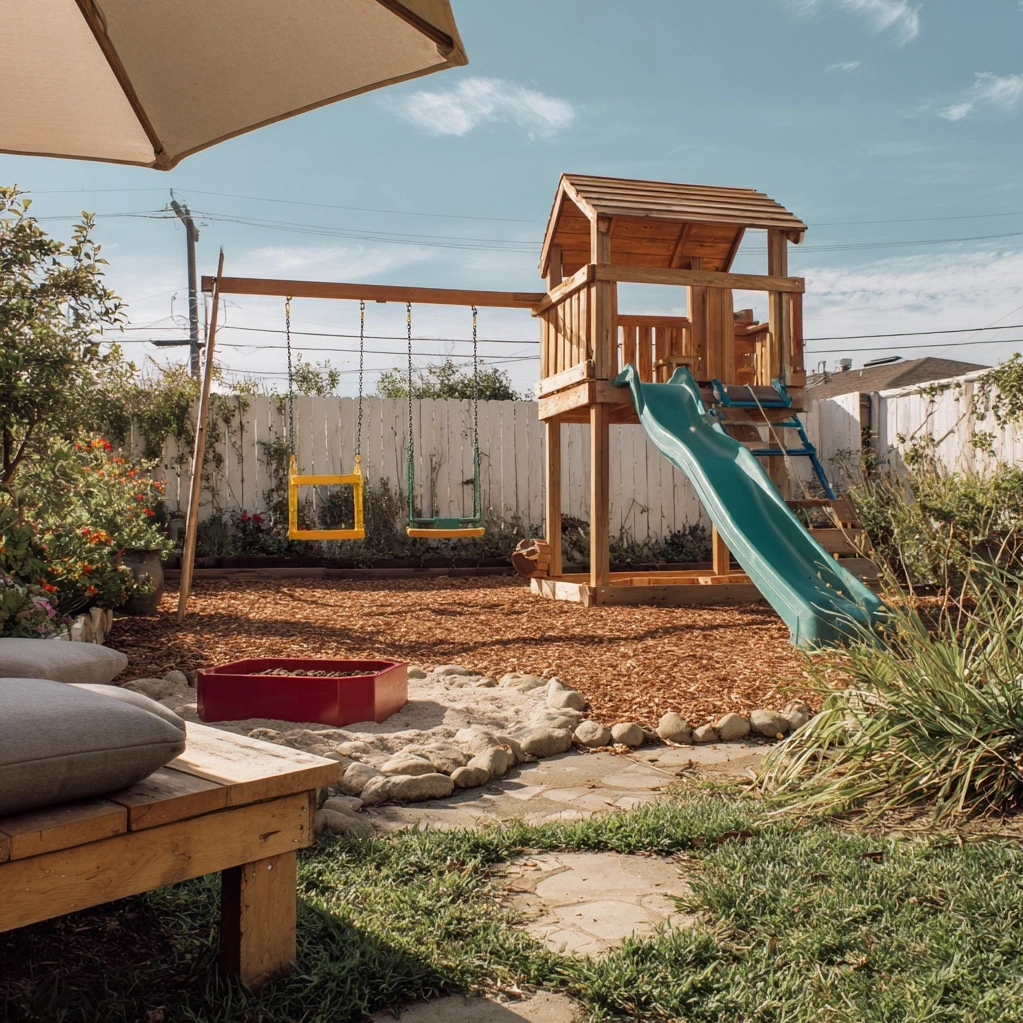
Safety Tips for Designing an Outdoor Kids Play Area
Safety is the cornerstone of any successful outdoor kids play area. Start with the surface: use impact-absorbing materials like rubber mulch, sand, or engineered wood fiber beneath play equipment to cushion falls. Avoid hard surfaces such as concrete or packed dirt, which increase injury risks. Ensure all structures are securely anchored and free of sharp edges or protruding bolts. Regular inspections are crucial—check for wear, rust, or loose parts, especially after extreme weather. Fencing or natural barriers can define the play zone and prevent wandering, while gates with child-proof latches add an extra layer of security. Consider visibility: position the outdoor kids play area where it's easily visible from indoor spaces like the kitchen or living room, allowing supervision without constant intrusion. Sun protection is also key; install shade sails, umbrellas, or plant trees to reduce UV exposure during peak hours. Keep the area free of hazards like poisonous plants, standing water, or small objects that could be choking hazards. For water features, ensure shallow depths and non-slip surfaces. Educate children on safe play practices, such as taking turns on swings and avoiding roughhousing near equipment. By prioritizing these safety measures, you create a worry-free environment where kids can explore confidently, and parents can relax knowing their little ones are protected.
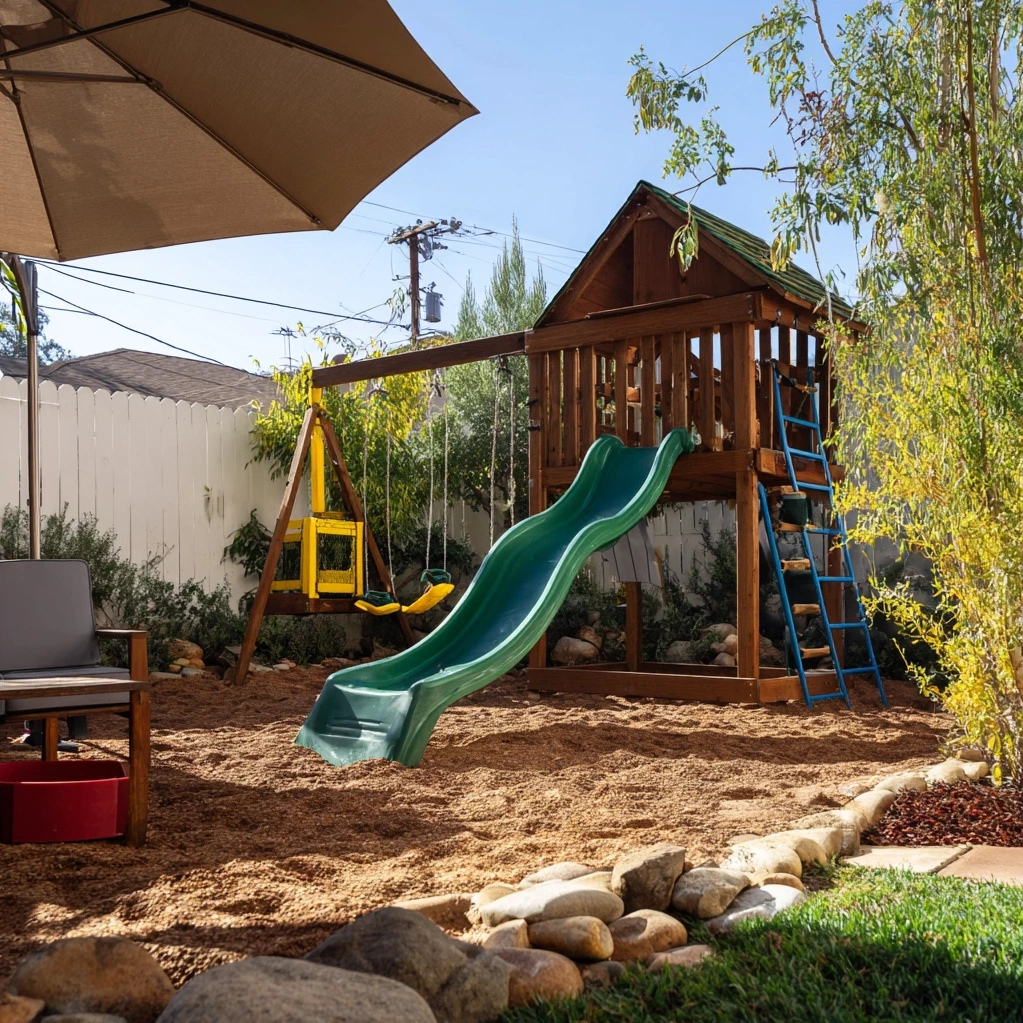
Budget-Friendly Ideas for an Outdoor Kids Play Area
Building an amazing outdoor kids play area doesn't have to break the bank. With creativity and resourcefulness, you can design a fun space on a tight budget. Start by repurposing household items: old tires make great swings or obstacle courses, while wooden pallets can be transformed into climbing walls or playhouses. Sandboxes are inexpensive and provide hours of entertainment—use a simple wooden frame filled with clean sand. DIY projects like painting hopscotch grids on pavement or creating a mud kitchen with old pots and pans add interactive elements without costly equipment. Nature-based play is another affordable option: gather fallen branches for building forts, or set up a scavenger hunt with natural items like pinecones and leaves. For swings, sturdy rope and a durable seat from a hardware store can replace expensive sets. Consider phased development: start with a few key pieces and expand over time as budget allows. Community resources can help too—check for second-hand play equipment online or at garage sales, ensuring they meet safety standards. Involve your children in the process; their ideas might inspire simple, low-cost additions like a chalkboard wall or a beanbag toss game. Remember, the goal is to foster play, not perfection. A thoughtfully crafted outdoor kids play area, even on a budget, can become the heart of family fun, proving that imagination often trumps expense.
Conclusion
An outdoor kids play area is more than just a backyard addition—it's an investment in your children's happiness, health, and development. By incorporating essential elements, prioritizing safety, and exploring budget-friendly options, you can create a space that grows with your family. This guide has highlighted how these areas encourage physical activity, spark creativity, and provide a safe haven for exploration. As you plan, remember to tailor the design to your children's ages and interests, ensuring it remains engaging over time. The future of outdoor play is bright, with trends leaning towards sustainable materials and nature-integrated designs that teach environmental stewardship. Looking ahead, consider how your outdoor kids play area can evolve: maybe add a vegetable garden corner for hands-on learning or incorporate solar-powered lights for evening fun. The key is to start small and build gradually, involving your kids in decisions to foster ownership and excitement. Ultimately, the memories made in these spaces—the laughter, the games, the quiet moments—will be cherished for years to come. So take that first step, whether it's sketching a layout or shopping for a swing set, and watch your backyard transform into a hub of joy and connection.
Frequently Asked Questions
Q: What is the ideal size for an outdoor kids play area?
The ideal size depends on your available space and the age of your children. For toddlers, a small area of about 100 square feet can suffice with a sandbox and low slide. Older kids benefit from larger zones of 200-400 square feet to accommodate swings, climbing structures, and running space. Always leave a buffer zone of at least 6 feet around equipment for safety. In smaller yards, focus on vertical elements like climbing walls or compact multi-play sets to maximize fun without requiring extensive ground area.
Q: How can I maintain an outdoor kids play area throughout the seasons?
Seasonal maintenance keeps your play area safe and durable. In spring and summer, regularly check for wear, clean surfaces with mild soap, and ensure shade structures are secure. Fall involves clearing leaves and debris to prevent slips, while winter requires storing removable items like water tables to avoid damage from freezing. Use weather-resistant materials and apply protective coatings annually. For year-round use, consider adding all-weather features like covered playhouses or heated elements in colder climates, and always inspect after storms for any damage.
Q: Are there eco-friendly options for an outdoor kids play area?
Yes, eco-friendly choices are both sustainable and safe. Opt for materials like reclaimed wood, recycled plastic lumber, or natural rubber for surfaces. Avoid treated woods with chemicals and use non-toxic, water-based paints. Incorporate native plants around the area to support local wildlife and reduce water usage. Solar-powered lights add ambiance without electricity waste. For play elements, choose items made from sustainable sources, such as bamboo or certified forest products, and consider DIY projects using repurposed materials to minimize environmental impact while fostering creativity.