
Painting Clay Pots: Brilliant Ideas to Transform Your Garden Decor

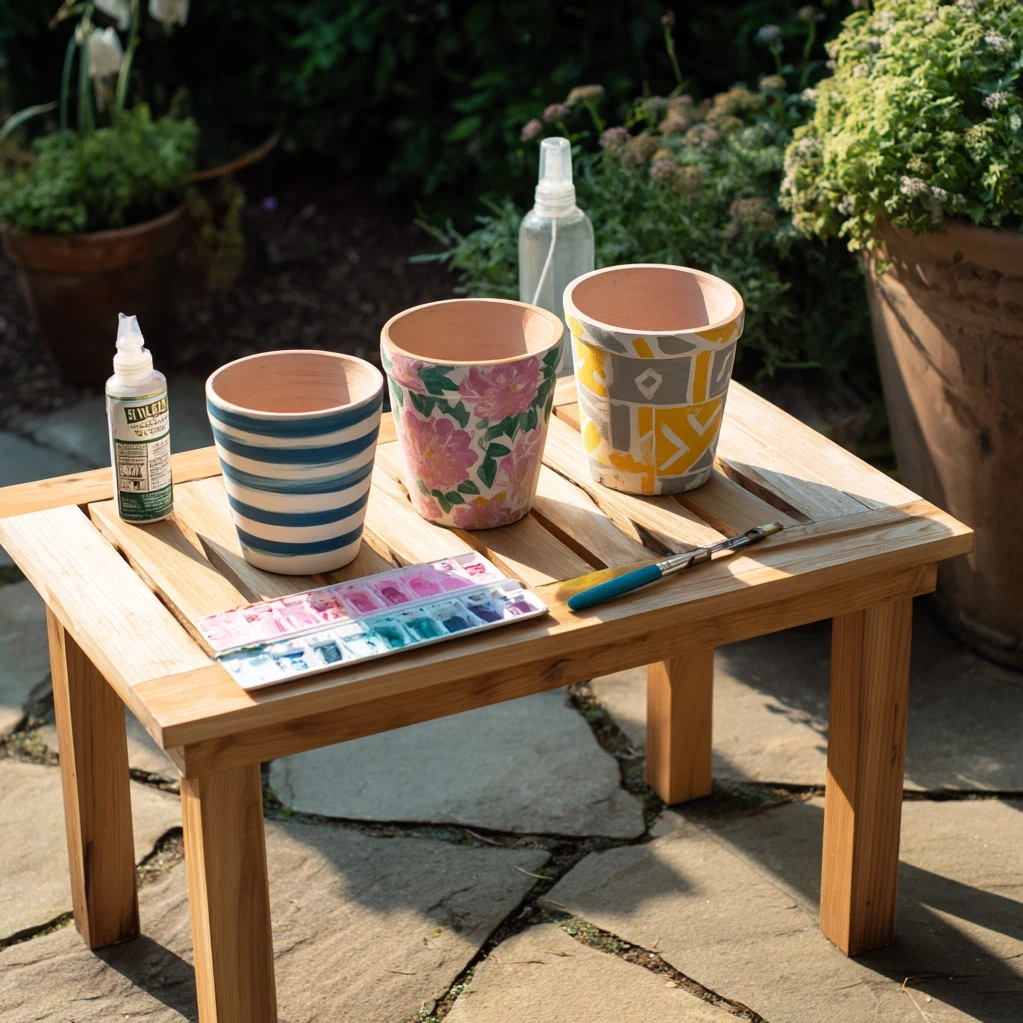
Painting clay pots is more than just a simple craft—it’s a creative journey that brings personality, color, and life to your garden or indoor spaces. Those plain terracotta pots that once blended into the background can become stunning focal points that reflect your style and imagination. Whether you’re a seasoned DIY enthusiast or a beginner looking for a fun project, painting clay pots offers endless possibilities for customization. From vibrant floral designs to minimalist patterns, each painted pot tells a unique story. This activity not only enhances your decor but also provides a therapeutic escape from daily stress. The tactile experience of working with clay and paint can be incredibly satisfying, allowing you to unwind while creating something beautiful. Plus, it’s an affordable way to refresh your outdoor or indoor areas without spending a fortune on new planters. In this article, we’ll explore practical tips, creative techniques, and inspiring ideas to help you master the art of painting clay pots. You’ll discover how to prepare your pots, choose the right materials, and achieve professional-looking results that will impress everyone who sees them. Let’s dive into this delightful world of color and creativity, and transform those humble clay pots into works of art that elevate your home and garden.
Essential Steps for Painting Clay Pots
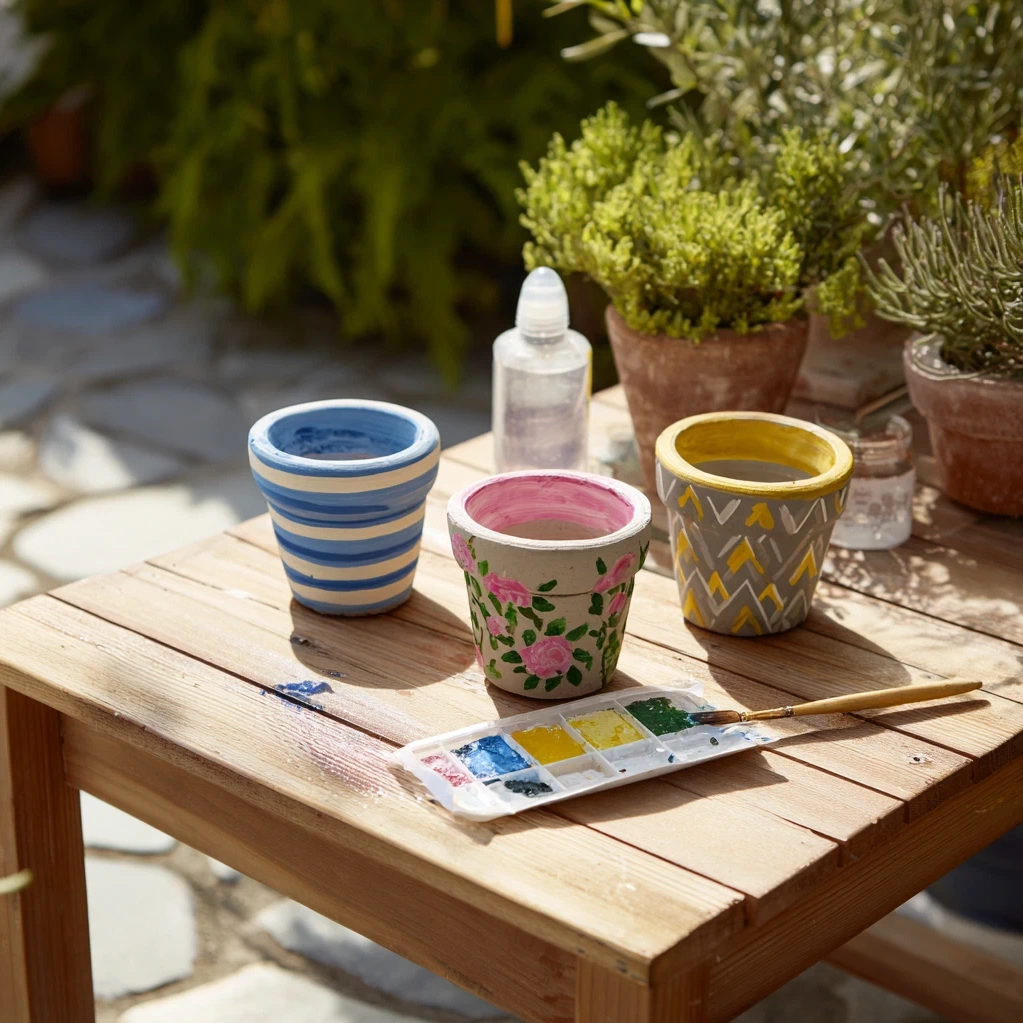
Before you start painting clay pots, proper preparation is key to ensuring your designs last and look their best. Begin by cleaning the pots thoroughly to remove any dust, dirt, or debris. Use a damp cloth or a gentle brush to scrub the surface, and let them dry completely. If your pots are new, you might need to soak them in water for a few hours to prevent them from absorbing too much moisture from the paint later. Once dry, apply a primer or sealant to create a smooth base. This step is especially important for clay pots because they are porous and can soak up paint unevenly. A good primer will help the paint adhere better and prevent chipping over time. You can use a spray primer for even coverage or a brush-on option for more control. After priming, choose your paint wisely. Acrylic paints are a popular choice for painting clay pots because they are versatile, water-resistant, and come in a wide range of colors. They dry quickly and are easy to layer for detailed designs. For outdoor pots, consider using weather-resistant paints or adding a protective sealant once your design is complete. This will shield your artwork from rain, sun, and other elements. When painting, start with a base coat and let it dry before adding patterns or details. Use brushes of different sizes for various effects—small brushes for fine lines and larger ones for broad strokes. Don't rush the drying process between layers to avoid smudging. With these essential steps, you'll set a solid foundation for beautiful, durable painted clay pots that brighten up any space.
Creative Techniques for Painting Clay Pots
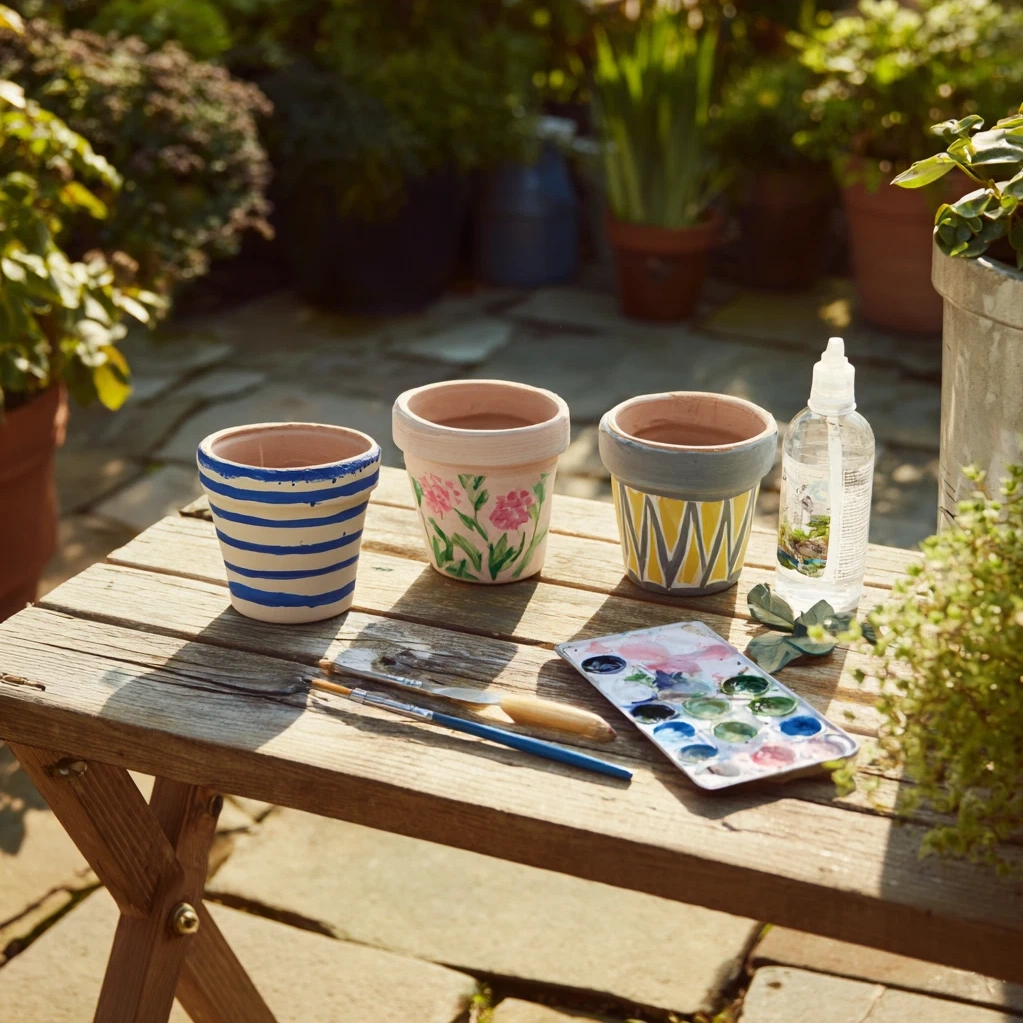
Painting clay pots opens up a world of creative techniques that can turn simple planters into unique pieces of art. One popular method is stenciling, which allows you to add precise patterns like geometric shapes, florals, or words without needing advanced painting skills. Place your stencil securely on the pot and use a sponge or brush to apply paint evenly. This technique is great for achieving consistent designs across multiple pots. Another fun approach is freehand painting, where you let your imagination run wild. Sketch your design lightly with a pencil first, then fill it in with acrylic paints. You can create anything from abstract swirls to realistic scenes, making each pot one-of-a-kind. For a textured look, try using sponges or rags to dab paint onto the surface. This creates a mottled effect that adds depth and interest. You can also experiment with ombre techniques by blending colors from dark to light for a gradient finish. Simply apply different shades of paint and blend them together while wet. If you're feeling adventurous, consider adding embellishments like glitter, beads, or mosaic tiles after painting. These elements can make your clay pots sparkle or add a tactile dimension. Remember to seal these additions with a clear coat to protect them. For outdoor pots, opt for techniques that enhance durability, such as using outdoor-rated paints or embedding designs under a strong sealant. Mix and match these techniques to develop your signature style. Whether you prefer bold, vibrant designs or subtle, elegant touches, painting clay pots offers endless opportunities to express your creativity and personalize your garden or home decor.
Tips for Maintaining Painted Clay Pots
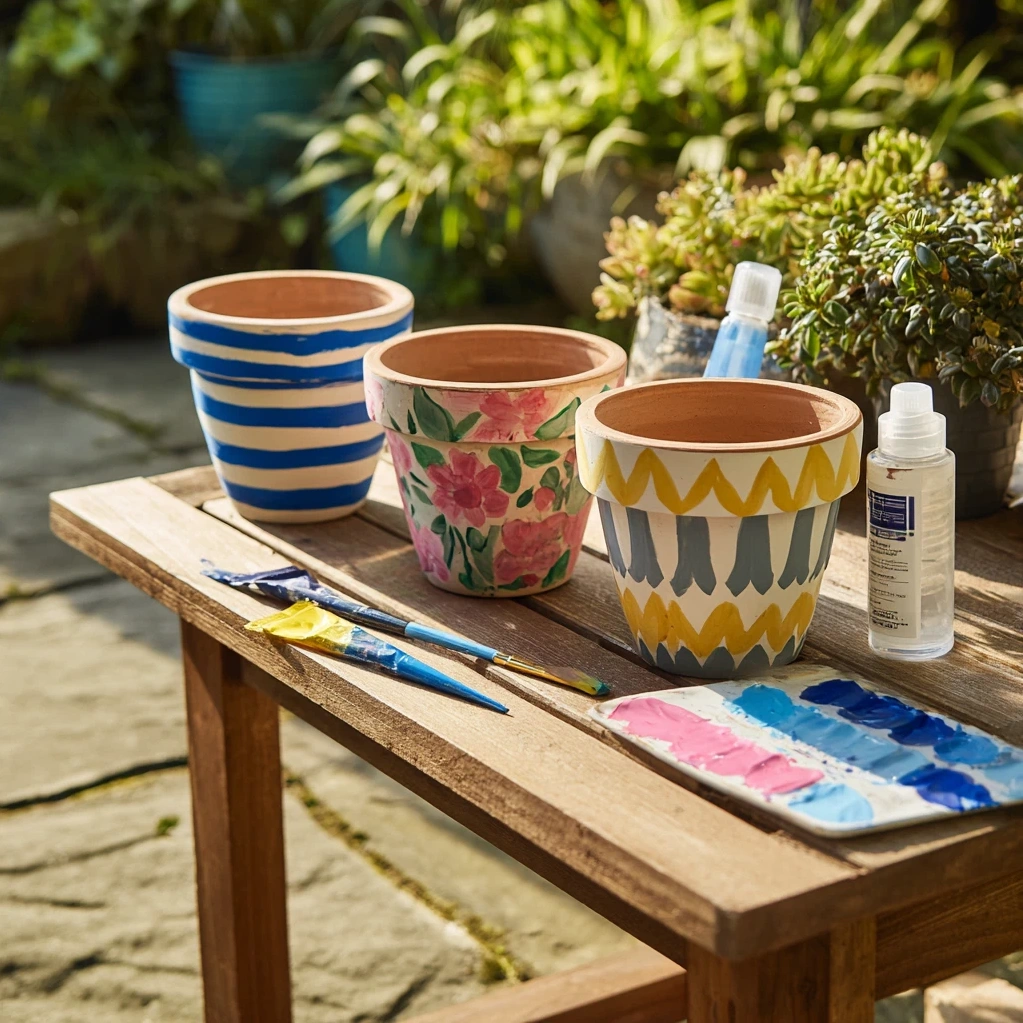
Once you've finished painting clay pots, proper maintenance will keep them looking fresh and vibrant for years to come. Start by applying a high-quality sealant after the paint has fully dried. This step is crucial, especially for pots used outdoors, as it protects the paint from UV rays, moisture, and temperature changes. Use a clear acrylic spray or brush-on sealant designed for outdoor use, and apply multiple thin coats for the best protection. Allow each coat to dry thoroughly before adding the next. When placing your painted clay pots in the garden, consider their exposure to elements. Position them in areas with partial shade if possible, as direct sunlight can fade colors over time. If you live in a region with harsh winters, bring the pots indoors or store them in a sheltered spot to prevent cracking from frost. For cleaning, avoid harsh chemicals or abrasive scrubs that could damage the paint. Instead, gently wipe the pots with a soft, damp cloth to remove dirt or stains. If you notice any chips or wear, touch up the paint with matching colors and reseal the area. Regular inspections can help you catch minor issues before they become major problems. Additionally, when watering plants in painted clay pots, be mindful of drainage. Ensure the pots have proper holes to prevent water from pooling, which can lead to mold or paint peeling. Use saucers to catch excess water and protect surfaces. By following these maintenance tips, your painted clay pots will remain beautiful and functional, adding charm to your spaces season after season. This care not only preserves your artwork but also extends the life of the pots themselves.
Conclusion
Painting clay pots is a rewarding and accessible way to infuse creativity into your home and garden decor. Through this article, we've explored the essential steps, from preparation and priming to selecting the right paints and techniques. We've also delved into creative methods like stenciling, freehand designs, and textured effects that can transform plain pots into personalized masterpieces. Moreover, maintaining your painted clay pots with proper sealing and care ensures they withstand the elements and retain their beauty over time. This activity isn't just about aesthetics; it's a chance to unwind, express yourself, and connect with nature through a hands-on project. Whether you're decorating a balcony, patio, or indoor shelf, painted clay pots add a touch of color and personality that store-bought items often lack. As you continue your journey in painting clay pots, don't be afraid to experiment with new ideas and share your creations with others. The future outlook for this craft is bright, with trends leaning towards sustainable materials and bold, artistic expressions. Consider upcycling old pots or using eco-friendly paints to make your projects even more meaningful. Ultimately, painting clay pots is a simple yet powerful way to enhance your living spaces and cultivate a sense of joy and accomplishment. So grab your brushes, unleash your imagination, and start painting—your garden will thank you for it!
Frequently Asked Questions
Q: What type of paint is best for painting clay pots?
Acrylic paint is highly recommended for painting clay pots due to its versatility, quick drying time, and wide color range. It adheres well to primed surfaces and is water-resistant once dry. For outdoor pots, use outdoor-rated acrylic paints or add a protective sealant to enhance durability against weather conditions. Avoid using watercolor or oil-based paints, as they may not hold up as effectively on porous clay surfaces.
Q: Do I need to seal painted clay pots?
Yes, sealing painted clay pots is essential, especially if they will be used outdoors. A clear acrylic sealant protects the paint from UV rays, moisture, and wear, preventing chipping and fading. Apply multiple thin coats after the paint has fully dried, allowing each coat to dry completely. For indoor pots, sealing is still recommended to safeguard against scratches and spills, though it may be less critical than for outdoor use.
Q: Can I paint clay pots that already have plants in them?
It's best to remove plants from clay pots before painting to avoid damaging the plants and ensure even coverage. Carefully transplant the plants into temporary containers. Clean and dry the empty pots thoroughly, then proceed with priming, painting, and sealing. Once the pots are completely dry and odor-free, you can repot the plants. This method allows for a smoother painting process and better results without harming your greenery.

