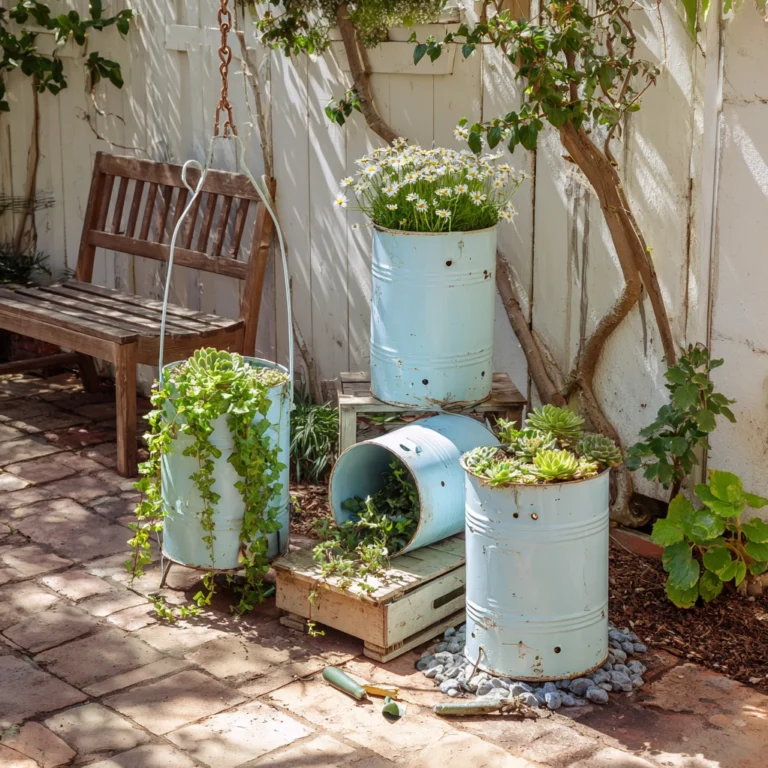
Wood Yard Art: Transform Your Outdoor Space with Incredible Natural Beauty

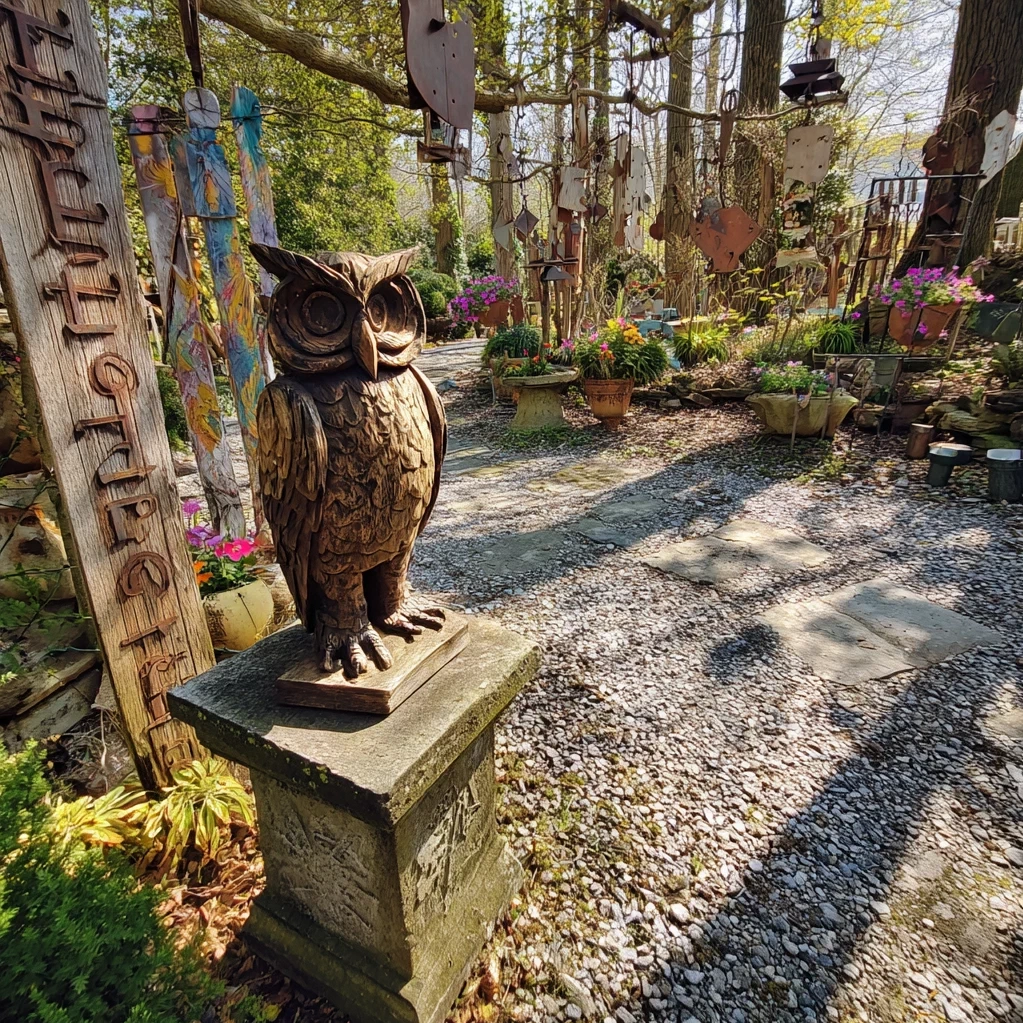
When you look at your yard, what do you see? For many homeowners, it’s a simple expanse of grass, perhaps a few shrubs, maybe a patio set. But what if you could transform that ordinary space into something extraordinary? That’s where wood yard art comes in. This isn’t about placing random decorations outside—it’s about creating an outdoor sanctuary that reflects your personality while celebrating the natural world. Wood yard art bridges the gap between human creativity and nature’s raw materials, offering a sustainable way to enhance your living environment. Unlike plastic or metal decorations that can feel cold or temporary, wood brings warmth, texture, and character to any outdoor setting. Whether you have a sprawling backyard or a cozy urban patio, incorporating wood yard art can completely change how you experience your outdoor space. Imagine walking outside to find hand-carved sculptures greeting you, rustic signs marking garden paths, or whimsical wind chimes dancing in the breeze. This art form connects us to craftsmanship traditions while allowing for modern expression. More than just decoration, wood yard art creates focal points, tells stories, and transforms yards into personal retreats. As we spend more time appreciating our homes, outdoor spaces have become extensions of our living areas, and wood yard art provides the perfect medium to make them truly special.
Discovering the Timeless Appeal of Wood Yard Art
Wood yard art has captivated homeowners for generations, and its enduring popularity stems from several key qualities that synthetic materials simply can't replicate. First, wood possesses a natural warmth and organic beauty that creates an immediate connection to the outdoor environment. Unlike plastic or metal decorations that can feel out of place in natural settings, wood art blends seamlessly with gardens, lawns, and patios. The material's versatility is another major advantage—it can be carved, burned, painted, stained, or left natural to develop a beautiful patina over time. This adaptability means wood yard art can match any style, from rustic farmhouse to modern minimalism. Each piece tells a story through its grain patterns, knots, and natural imperfections that give it unique character. Furthermore, wood is a sustainable choice when sourced responsibly, making it an eco-friendly option for environmentally conscious homeowners. As wood yard art weathers, it develops a beautiful silvery-gray tone that many artists and homeowners appreciate, creating a living piece that evolves with your garden. The tactile nature of wood invites touch and creates sensory experiences that enhance outdoor enjoyment. Whether you choose a majestic carved eagle, a delicate floral cutout, or abstract geometric forms, wood yard art brings depth and dimension to outdoor spaces that flat, manufactured decorations simply cannot achieve.
Creating Stunning Wood Yard Art for Your Garden
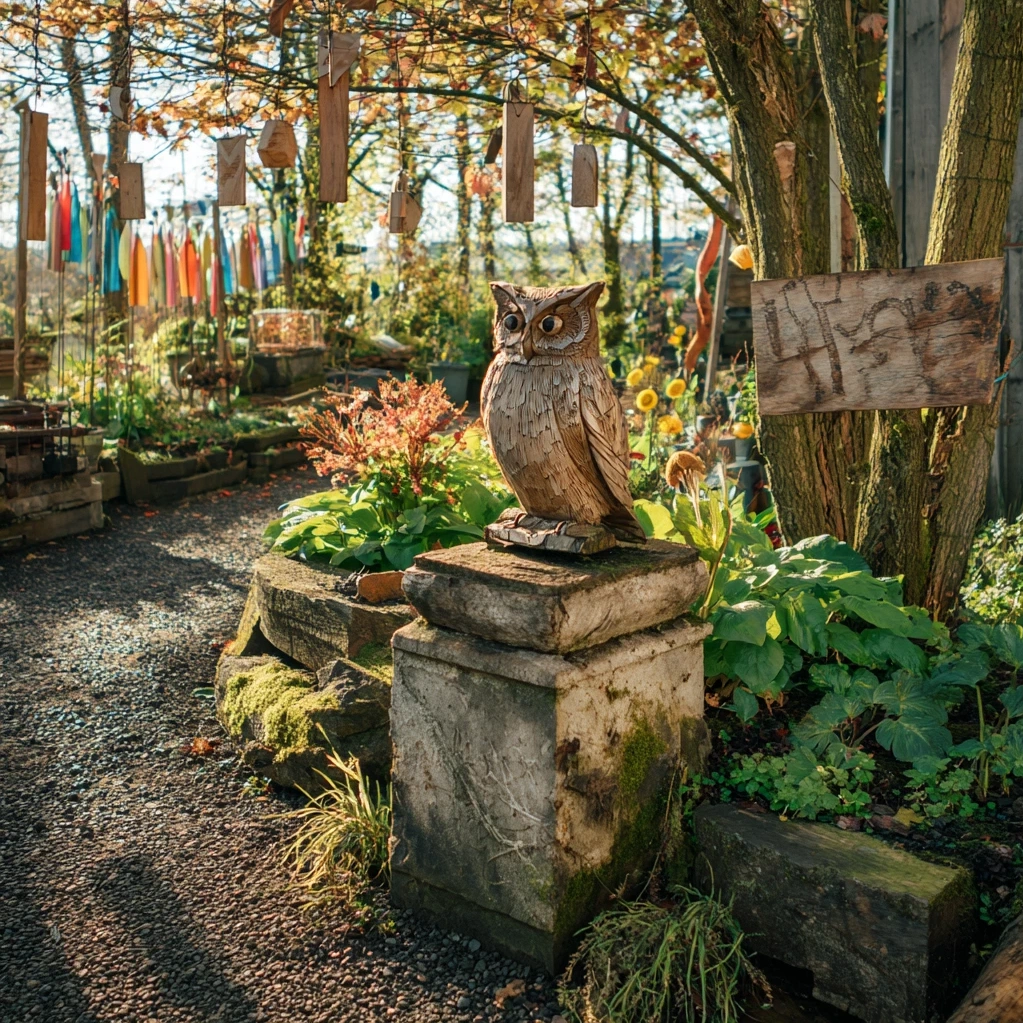
Bringing wood yard art into your garden doesn't require professional expertise—many beautiful pieces can be created with basic tools and a little creativity. Start by considering your garden's existing elements: the colors of your flowers, the shapes of your plants, and the overall style of your outdoor space. For beginners, simple projects like painted wooden signs, birdhouses, or stacked log sculptures offer rewarding starting points. If you're more experienced, consider carved pieces using softer woods like cedar or pine, which are easier to work with while still being durable outdoors. The process of creating wood yard art begins with selecting the right wood—cedar and redwood naturally resist rot and insects, making them excellent choices for outdoor pieces that need to withstand the elements. Basic tools like a jigsaw for cutting shapes, a carving knife for details, and sandpaper for smoothing surfaces will get you started. Protective finishes like exterior-grade sealants or natural oils help preserve your creations while allowing the wood's natural beauty to shine through. Placement is crucial for wood yard art; consider creating focal points at garden entrances, along pathways, or as centerpieces in flower beds. Group smaller pieces together for visual impact, or let a single large sculpture command attention. Remember that wood yard art should complement rather than overwhelm your garden's natural beauty. As you create, think about how sunlight will interact with your pieces throughout the day, casting shadows that become part of the artwork itself.
Maintaining and Preserving Your Wood Yard Art Collection
Proper maintenance ensures your wood yard art remains beautiful for years, protecting your investment and preserving the artistic details you love. Unlike indoor decorations, outdoor pieces face constant exposure to weather, sunlight, and temperature changes that can affect wood over time. The first step in maintenance is understanding what type of wood you're working with and how it naturally responds to outdoor conditions. Hardwoods like oak and teak are more durable but may require different care than softer woods like pine or cedar. Regular cleaning is essential—gently wash pieces with mild soap and water to remove dirt, pollen, and debris that can trap moisture against the wood surface. Avoid harsh chemicals or pressure washers that can damage the wood's surface or remove protective finishes. For painted wood yard art, touch up chips or scratches promptly to prevent moisture from penetrating the wood underneath. Natural wood pieces often benefit from annual applications of protective sealants, which create a barrier against moisture while allowing the wood to breathe. In winter climates, consider bringing smaller pieces indoors or covering them to protect against snow and ice damage. Rot is wood's greatest enemy outdoors, so regularly check pieces for soft spots or discoloration, especially in areas where water might collect. Proper placement also contributes to longevity—ensure pieces have good air circulation and aren't constantly sitting in wet soil. With thoughtful care, your wood yard art can become heirloom pieces that gain character with age, telling the story of seasons passed in your garden.
Innovative Ideas for Displaying Wood Yard Art Creatively
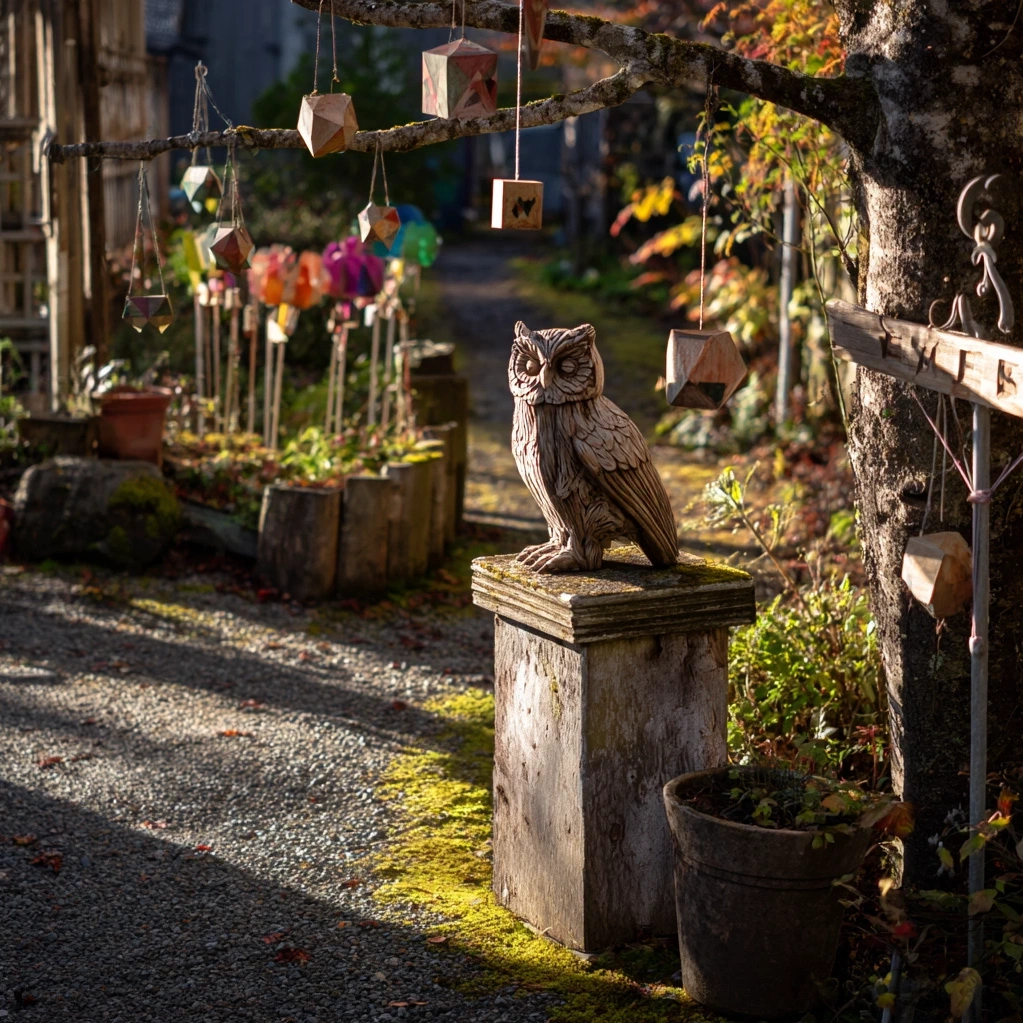
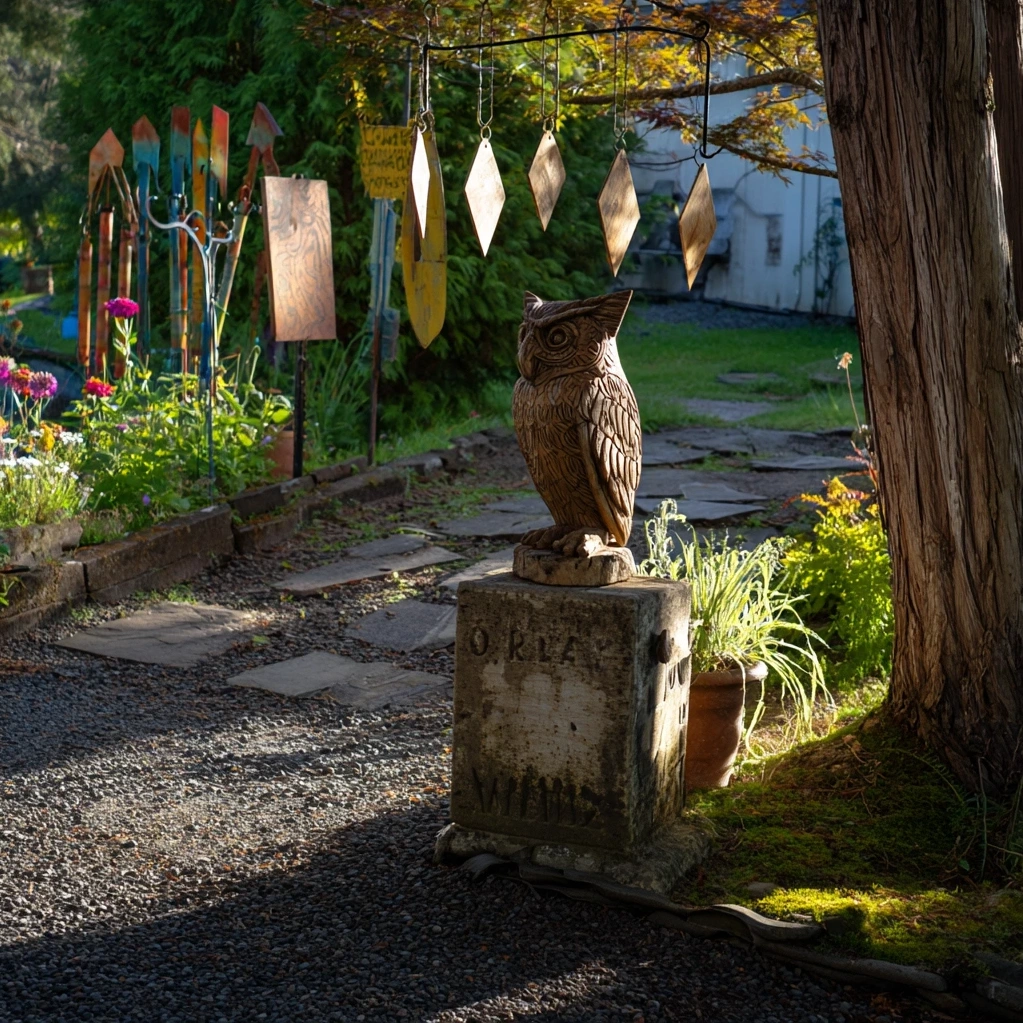
How you display wood yard art can transform ordinary pieces into extraordinary garden features that capture attention and spark conversation. Rather than simply placing sculptures on the ground, consider elevation and perspective to create dynamic visual interest. Mounting pieces on stone pedestals, old tree stumps, or custom-built platforms gives them prominence while protecting them from ground moisture. For wall-mounted wood yard art, think beyond traditional placement—consider creating gallery walls on garden fences, arranging pieces in geometric patterns, or using them to frame outdoor seating areas. Lighting dramatically enhances wood yard art after dark; strategically placed solar-powered spotlights can highlight textures and create captivating shadows. Incorporate movement with wind-activated pieces like kinetic sculptures, spinning elements, or chimes that add auditory dimension to your garden. Create thematic collections by grouping related wood yard art pieces together—perhaps a series of carved animals, botanical motifs, or abstract forms that tell a cohesive visual story. Consider seasonal displays that you can rotate throughout the year, keeping your garden fresh and engaging as the seasons change. For larger properties, create discovery moments by placing wood yard art around corners, at the end of pathways, or partially hidden among plants so visitors encounter them unexpectedly. Don't forget vertical spaces—hanging wood yard art from tree branches, pergolas, or shepherd's hooks adds dimension without consuming ground space. The most successful displays consider scale and proportion, ensuring pieces relate harmoniously to their surroundings while still making the artistic statement you desire.
Conclusion
Wood yard art represents more than just outdoor decoration—it's an opportunity to infuse your personal style into nature's canvas while creating meaningful connections with your outdoor living space. Throughout this exploration, we've seen how this versatile art form combines natural materials with human creativity to transform ordinary yards into extraordinary environments. From understanding wood's timeless appeal to creating your own pieces, maintaining their beauty, and displaying them creatively, every aspect contributes to crafting an outdoor sanctuary that reflects who you are. The beauty of wood yard art lies in its accessibility; whether you purchase handcrafted pieces from talented artisans or create your own with simple tools, the result is a personalized outdoor space that brings daily joy. As we look to the future of home living, outdoor spaces will continue to gain importance as extensions of our interior lives. Wood yard art offers a sustainable, beautiful way to bridge indoor comfort with outdoor freedom. Start small if you're new to this art form—perhaps with a single carved bird or painted garden sign—and let your collection grow organically as you discover what speaks to you. Remember that the most successful gardens tell stories, and wood yard art provides the perfect vocabulary for yours. Your yard awaits transformation, ready to become not just a space you maintain, but a gallery you cherish.
Frequently Asked Questions
Q: What types of wood are best for outdoor yard art?
The best woods for outdoor yard art are those that naturally resist rot, insects, and weather damage. Cedar and redwood top the list because they contain natural oils that protect against decay and insects. Teak is excellent for its durability and beautiful aging process, though it's more expensive. White oak and cypress also perform well outdoors. For painted pieces, pine can work if properly sealed, but it requires more maintenance. Avoid woods like untreated pine or poplar that deteriorate quickly outdoors. Always look for sustainably sourced wood to ensure your art is environmentally responsible.
Q: How do I protect wood yard art from weather damage?
Protecting wood yard art begins with proper sealing. Apply exterior-grade sealant, spar urethane, or marine varnish specifically designed for outdoor use, reapplying annually or as needed. Ensure water can't pool on flat surfaces by angling pieces slightly. Keep art elevated from direct ground contact using stones, bricks, or specially designed stands. In extreme weather, consider temporary covers or moving pieces to protected areas. Regular cleaning prevents mold and mildew—use mild soap and soft brushes. For painted art, touch up chips promptly to prevent moisture penetration. Proper placement with good air circulation also significantly extends the life of wood yard art.
Q: Can I create wood yard art without expensive tools?
Absolutely! Many beautiful wood yard art projects require minimal tools. Start with pre-cut wood pieces from hardware stores to avoid needing saws. Basic hand tools like sandpaper, wood burning pens, paint brushes, and carving knives can create impressive results. For cutting simple shapes, a hand saw or affordable jigsaw works well. Consider upcycling materials like old fence posts, pallet wood, or fallen branches. Many communities have tool libraries where you can borrow specialized equipment. Focus on designs that work with your available tools—geometric patterns, painted scenes, or assembled pieces often require less cutting than intricate carvings. The creativity matters more than the tools.