Raised Flower Beds in Front of House: Transform Your Curb Appeal Instantly

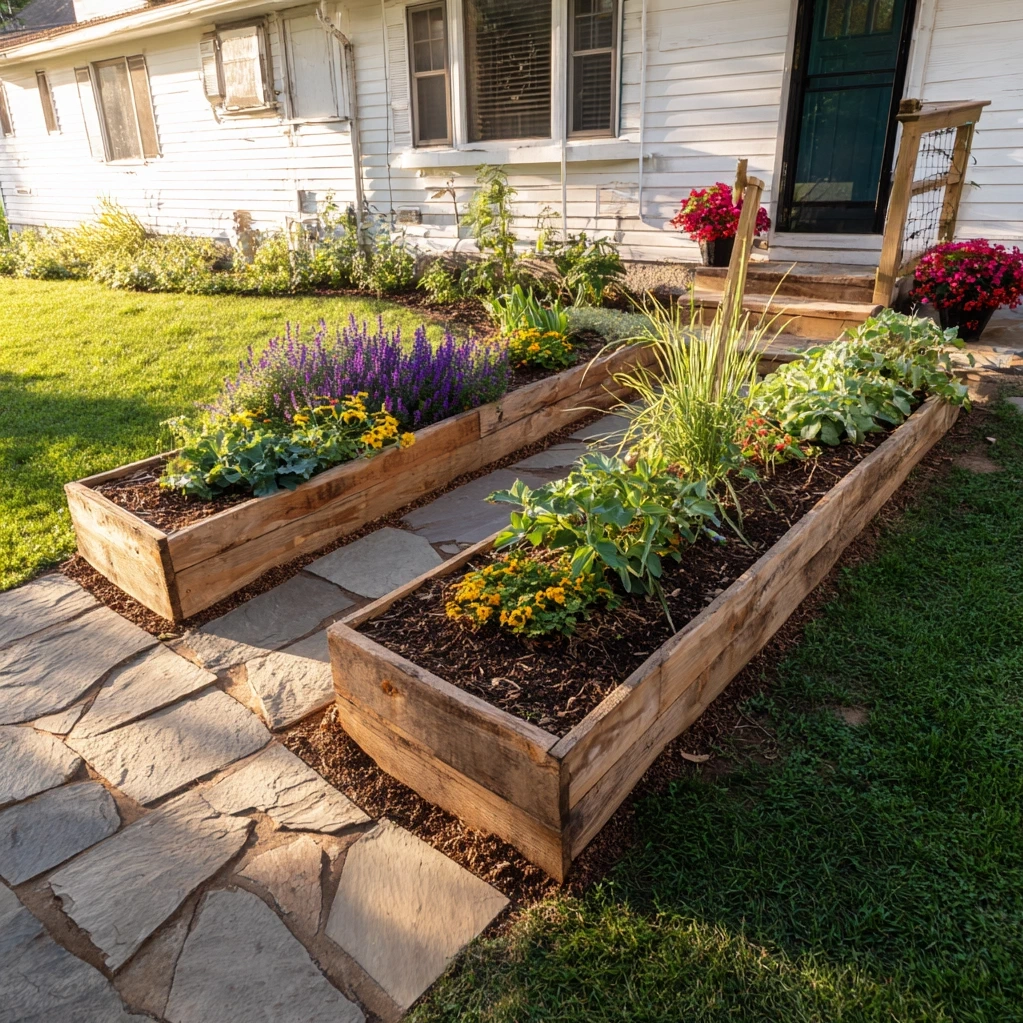
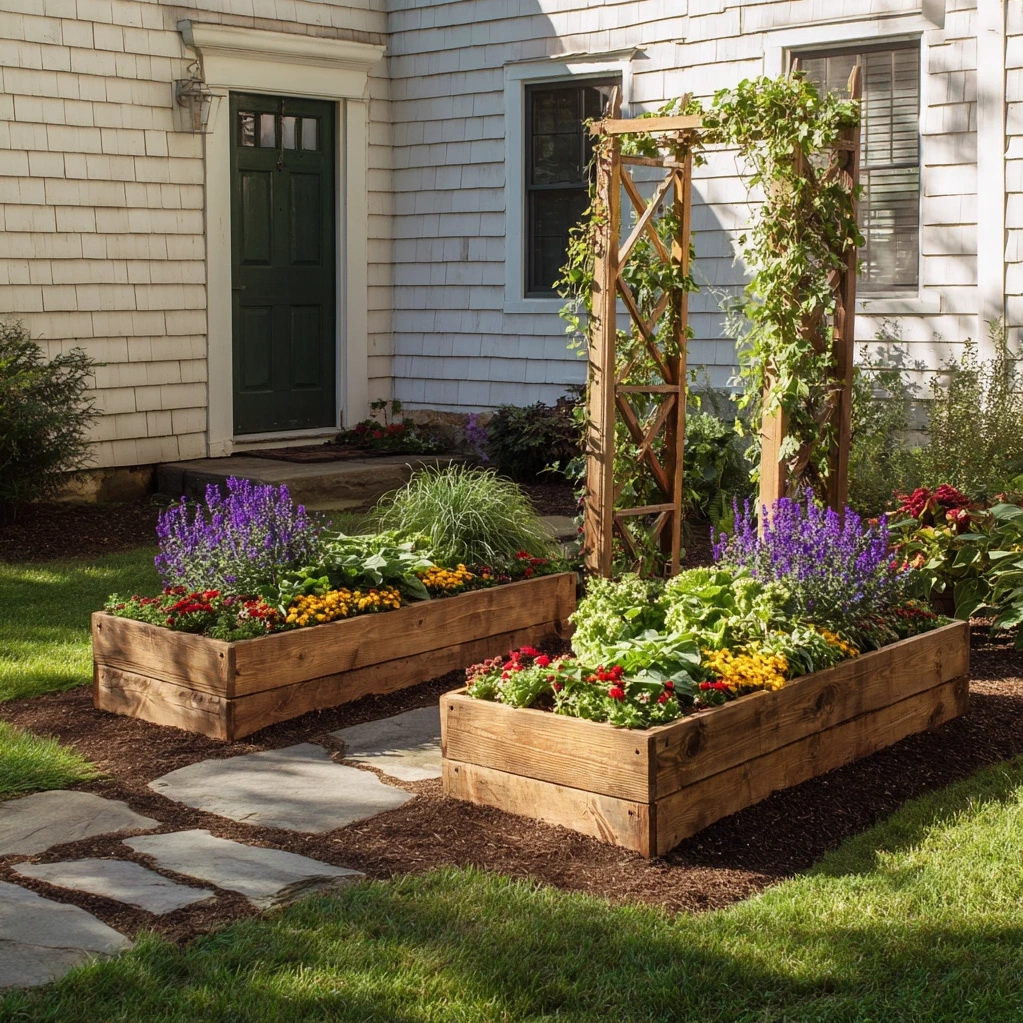
When it comes to enhancing your home’s exterior, few elements deliver such dramatic impact as raised flower beds in front of house. These elevated garden features aren’t just about growing flowers—they’re about creating a welcoming entrance that reflects your personality and elevates your entire neighborhood. The strategic placement of raised beds near your home’s facade creates layers of visual interest, drawing the eye upward and framing your property with natural beauty. Unlike traditional ground-level gardens, raised flower beds offer practical advantages that make gardening more accessible and enjoyable. They provide better soil control, improved drainage, and easier maintenance—no more back-breaking kneeling or bending. The elevation creates a clear separation between your cultivated plants and the surrounding lawn, preventing grass encroachment and making weed control simpler. For homeowners with poor native soil or drainage issues, raised beds offer a fresh start with custom soil mixes. They also extend your gardening season since elevated soil warms faster in spring. But perhaps the greatest benefit is the instant curb appeal. Well-designed raised flower beds in front of house create a polished, intentional look that says you care about your home’s presentation. They can soften architectural lines, add color where none existed, and create a welcoming pathway that guides visitors to your door. Whether you choose rustic wood, modern metal, or classic stone construction, these elevated gardens become an integral part of your home’s character.
Designing Stunning Raised Flower Beds in Front of House
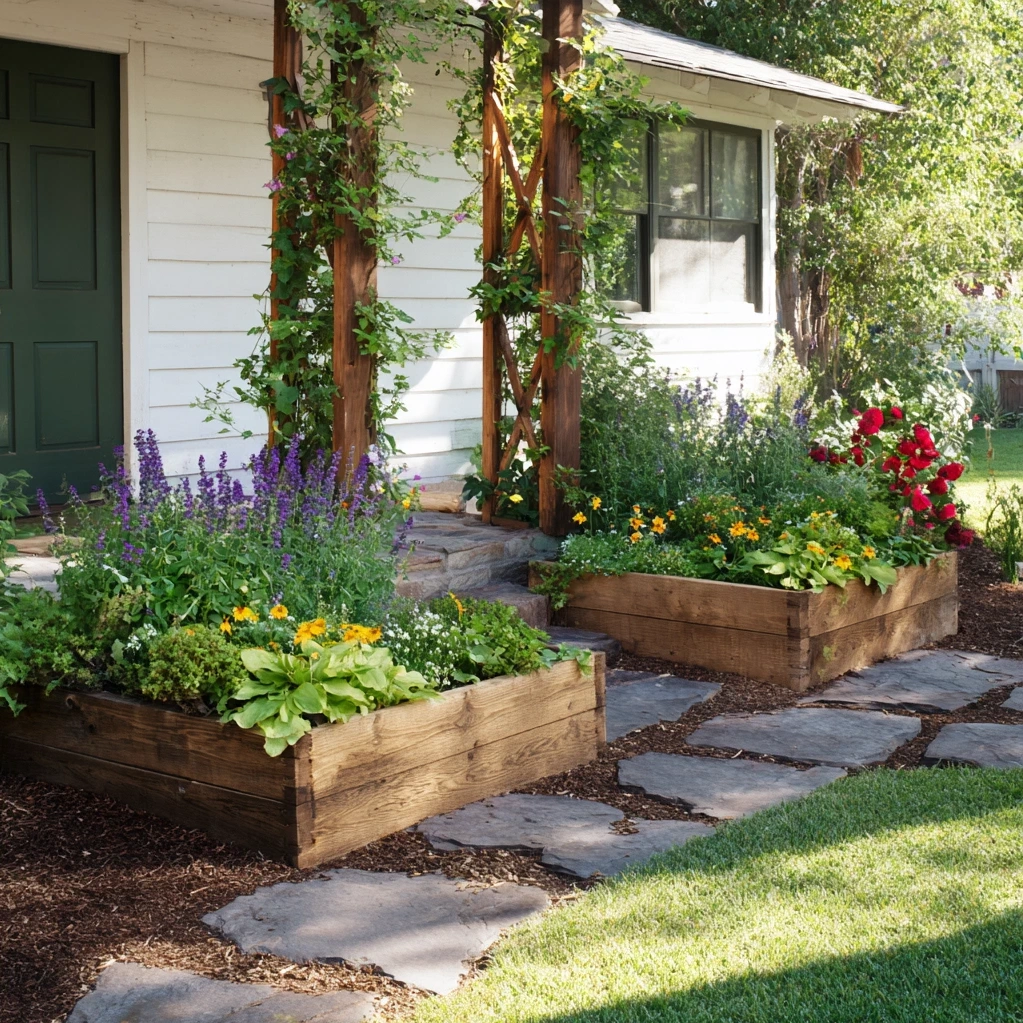
Creating beautiful raised flower beds in front of house begins with thoughtful design that complements your home's architecture. Consider your house's style—modern homes might suit sleek metal or concrete planters, while traditional homes often pair well with natural wood or stone. The height of your raised beds matters significantly. For purely decorative purposes, 12-18 inches works well, but if you plan to grow vegetables or want less bending, consider 24-30 inches. The width should allow you to reach the center comfortably from either side, typically 3-4 feet maximum. Shape is another crucial consideration. Straight, rectangular beds create clean lines that work well with contemporary homes, while curved beds soften angular architecture and create organic flow. Multiple smaller beds can frame a pathway, while a single large bed makes a bold statement. Think about how the beds will look from inside your home too—position them to create appealing views from windows. Color coordination between your home's exterior and your plant selections creates harmony. If your house has warm-toned brick, consider plants with red, orange, or yellow blooms; cool-toned siding pairs beautifully with purple, blue, and white flowers. Don't forget about seasonal interest—incorporate evergreens, ornamental grasses, or plants with interesting bark for winter appeal. Lighting your raised flower beds extends their beauty into evening hours and enhances security. Solar-powered path lights or subtle uplighting can highlight your plantings. The materials you choose should withstand weather and complement your home's materials. Cedar and redwood resist rot naturally, while composite materials offer low maintenance. Stone or brick beds create permanent, elegant features that age gracefully.
Plant Selection for Raised Flower Beds in Front of House
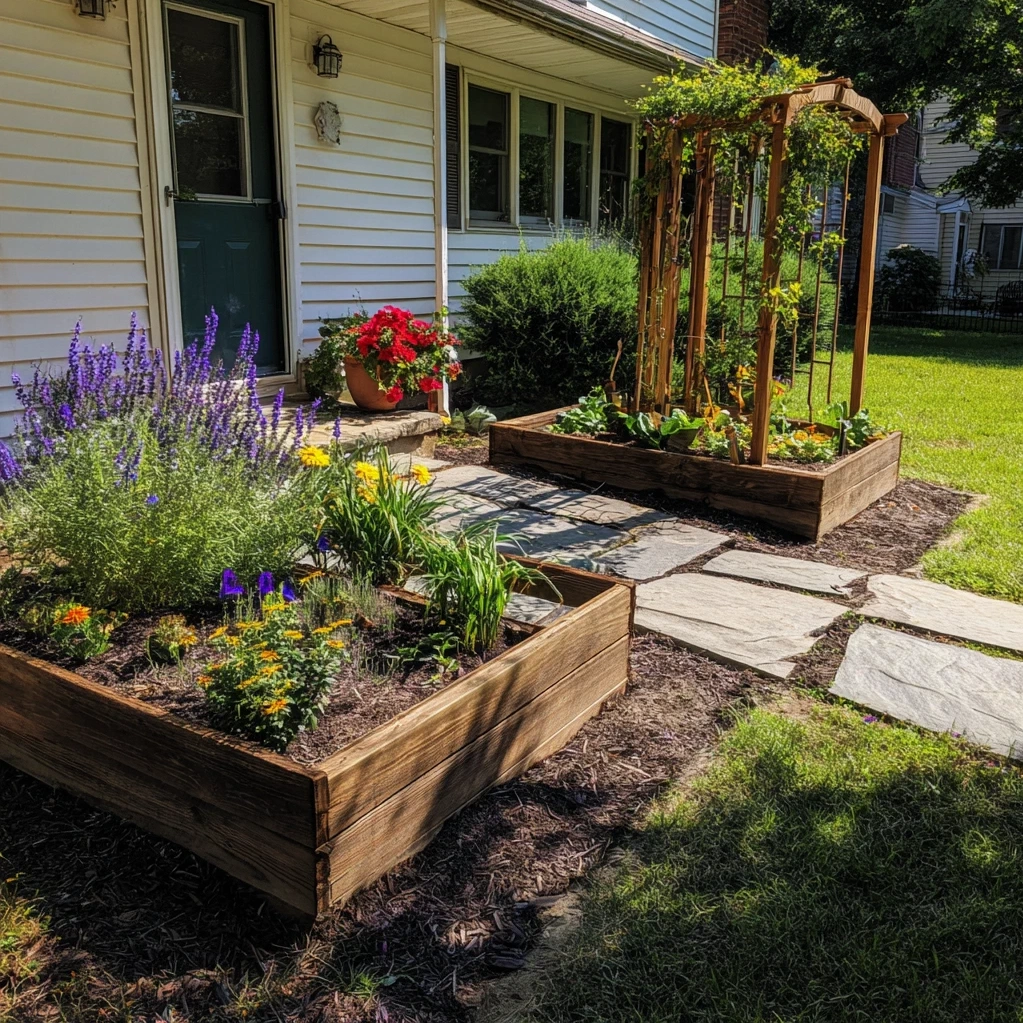
Choosing the right plants for your raised flower beds in front of house ensures year-round beauty and manageable maintenance. Start with a foundation of structural plants that provide height and form. Small shrubs like dwarf hydrangeas, boxwoods, or lavender create permanent structure and fill space beautifully. Next, add perennials that return each year, reducing replanting work. Consider bloom times to ensure continuous color—early spring bulbs like tulips and daffodils, summer bloomers like coneflowers and daylilies, and fall stars like asters and sedum. Annual flowers provide vibrant, season-long color and can be changed yearly to refresh your look. Petunias, marigolds, and zinnias are reliable choices that thrive in raised beds. Don't forget about foliage plants—hostas, ferns, and ornamental grasses add texture and interest even when not blooming. For vertical interest, consider climbing plants like clematis or morning glories trained on small trellises within the beds. Herbs like rosemary and thyme add fragrance and can be harvested for cooking. When arranging plants, follow basic design principles: place taller plants toward the back or center (depending on viewing angles), medium plants in the middle, and shorter plants along edges. Create repeating patterns or color themes for cohesion. Consider the sunlight your beds receive—full sun plants like salvia and rudbeckia need 6+ hours of direct light, while shade lovers like impatiens and begonias thrive with less. Soil in raised beds warms faster and drains better than ground soil, allowing you to grow plants that might struggle in your native conditions. You can customize soil pH and nutrients for specific plants. Remember that raised beds dry out faster than ground gardens, so choose drought-tolerant plants or plan for regular watering. Native plants often require less maintenance and support local wildlife.
Maintenance Tips for Raised Flower Beds in Front of House
Proper maintenance keeps your raised flower beds in front of house looking their best year after year. Watering is crucial—raised beds drain well but dry out faster. Install a drip irrigation system or soaker hoses for efficient watering that delivers moisture directly to roots without wetting foliage. Mulching conserves moisture, suppresses weeds, and regulates soil temperature. Use 2-3 inches of organic mulch like shredded bark or cocoa hulls, refreshing annually. Fertilizing requirements depend on your plants, but generally, a balanced slow-release fertilizer applied in spring supports healthy growth. Regular deadheading (removing spent blooms) encourages more flowers and keeps plants tidy. Prune shrubs and perennials as needed to maintain shape and remove dead or damaged growth. Soil in raised beds settles over time, so top up with fresh compost annually to maintain volume and fertility. Weed regularly—while raised beds have fewer weeds than ground gardens, seeds still blow in. Pull weeds when small to prevent competition. Pest control is often easier in raised beds since they're elevated and more visible. Inspect plants regularly for signs of trouble. Use organic methods like neem oil or insecticidal soap when needed. In winter, protect sensitive plants with burlap wraps or move potted plants to sheltered areas. Clean up fallen leaves and debris to prevent disease. If you have wooden beds, check for rot or loose boards annually and repair as needed. Stone or brick beds may need occasional repointing. Consider crop rotation if growing vegetables—changing plant families each year prevents soil depletion and reduces pest problems. Keep pathways around beds clear and edged for a polished look. Document your plantings and maintenance schedule to track what works best in your specific conditions. Regular attention—even just 15-20 minutes weekly—prevents small issues from becoming big problems.
Seasonal Care for Raised Flower Beds in Front of House
Adapting your care routine to the seasons ensures your raised flower beds in front of house remain vibrant throughout the year. Spring begins with cleanup—remove winter protection, cut back dead growth, and clear debris. Test soil and amend with compost or fertilizer as needed. This is the ideal time for planting new perennials, shrubs, and cool-season annuals like pansies. Divide overcrowded perennials and refresh mulch. Summer focuses on maintenance—regular watering during dry spells, deadheading spent blooms, and monitoring for pests. Fertilize flowering plants monthly with water-soluble fertilizer. Stake tall plants before they flop. Take photos to remember successful combinations for next year. Early summer is perfect for planting heat-loving annuals. Fall prepares beds for winter—plant spring bulbs like tulips and daffodils in October. Cut back most perennials after frost, but leave some seed heads for winter interest and bird food. Apply a fresh layer of mulch after ground freezes to prevent frost heaving. Plant trees and shrubs while soil is still workable. Clean and store tools. Winter is for planning and protection—browse catalogs and plan next year's garden. In cold climates, protect vulnerable plants with burlap or straw. Brush snow gently from evergreen branches to prevent breakage. Check for animal damage and use repellents if needed. Refresh your knowledge through gardening books or online resources. For year-round interest, include evergreens, ornamental grasses, and plants with interesting bark or berries. Consider adding winter decorations like subtle lights or natural arrangements. Keep pathways clear of ice and snow for safety. Document what worked and what didn't in a garden journal. Order seeds and plants early for best selection. Seasonal care transforms gardening from a chore to a rewarding rhythm that connects you to nature's cycles.
Conclusion
Raised flower beds in front of house offer a transformative solution for homeowners seeking to enhance their property's beauty and functionality. These elevated gardens provide numerous advantages over traditional ground-level planting, from improved soil conditions and drainage to easier maintenance and extended growing seasons. By carefully designing beds that complement your home's architecture, selecting appropriate plants for your conditions, and following consistent maintenance routines, you can create a stunning entrance that welcomes guests and brings daily joy. The investment in raised beds pays dividends in curb appeal, potentially increasing your home's value while providing a personal creative outlet. As gardening trends evolve, raised beds continue gaining popularity for their versatility and accessibility—they make gardening possible for people with physical limitations and in challenging sites. Looking forward, consider incorporating sustainable practices like rainwater collection for irrigation, native plants to support local ecosystems, and organic methods that protect soil health. Your raised flower beds can become more than just decoration; they can be habitats for pollinators, sources of fresh herbs, and peaceful retreats. Start small if needed—even one well-placed raised bed can make a significant difference. Observe how light and shadows play across your space throughout the day and seasons. Talk to neighbors about what grows well in your area. Most importantly, enjoy the process. Gardening teaches patience and resilience while connecting us to the natural world. Your raised flower beds will evolve over years, reflecting your growing experience and changing tastes. They become living art that greets you each time you return home.
Frequently Asked Questions
Q: What is the ideal height for raised flower beds in front of a house?
The ideal height depends on your needs and plants. For mostly decorative flowering beds, 12-18 inches works well and provides good visibility. For vegetable gardening or easier access without bending, 24-30 inches is better. Consider your own height and mobility—taller beds are easier on your back. Also think about proportion to your home; very tall beds might overwhelm a small house. For mixed use, tiered beds with different heights create visual interest. Always ensure beds are stable and properly supported at their chosen height.
Q: How do I prevent weeds in my raised flower beds?
Preventing weeds starts with proper bed preparation. Before filling with soil, lay landscape fabric or cardboard at the bottom to block weeds from below. Use quality weed-free soil and compost. Apply 2-3 inches of mulch on the soil surface—organic mulches like wood chips or straw suppress weeds while improving soil as they decompose. Weed regularly when plants are small before they establish deep roots. Consider planting dense ground covers that leave little room for weeds. Avoid bringing in weeds with new plants by inspecting root balls. For persistent weeds, spot-treat with vinegar solution or carefully remove with tools. Good maintenance habits are your best defense.
Q: Can I install raised flower beds myself or should I hire a professional?
Many homeowners successfully install raised flower beds themselves, especially with simple rectangular designs using kits or basic lumber. DIY is cost-effective and allows complete customization. You'll need basic tools like a saw, drill, level, and shovel. Start with a small bed to gain confidence. However, hire a professional for complex designs, stone or brick construction, electrical work for lighting, or if you have mobility issues. Professionals ensure proper drainage, structural stability, and can handle heavy materials. They also save you time and potential mistakes. Consider your skills, time, and budget—sometimes a hybrid approach works, where you prepare the site and a professional builds the beds.