
Front Yard Landscaping Design: Unlock Your Home’s Incredible Potential

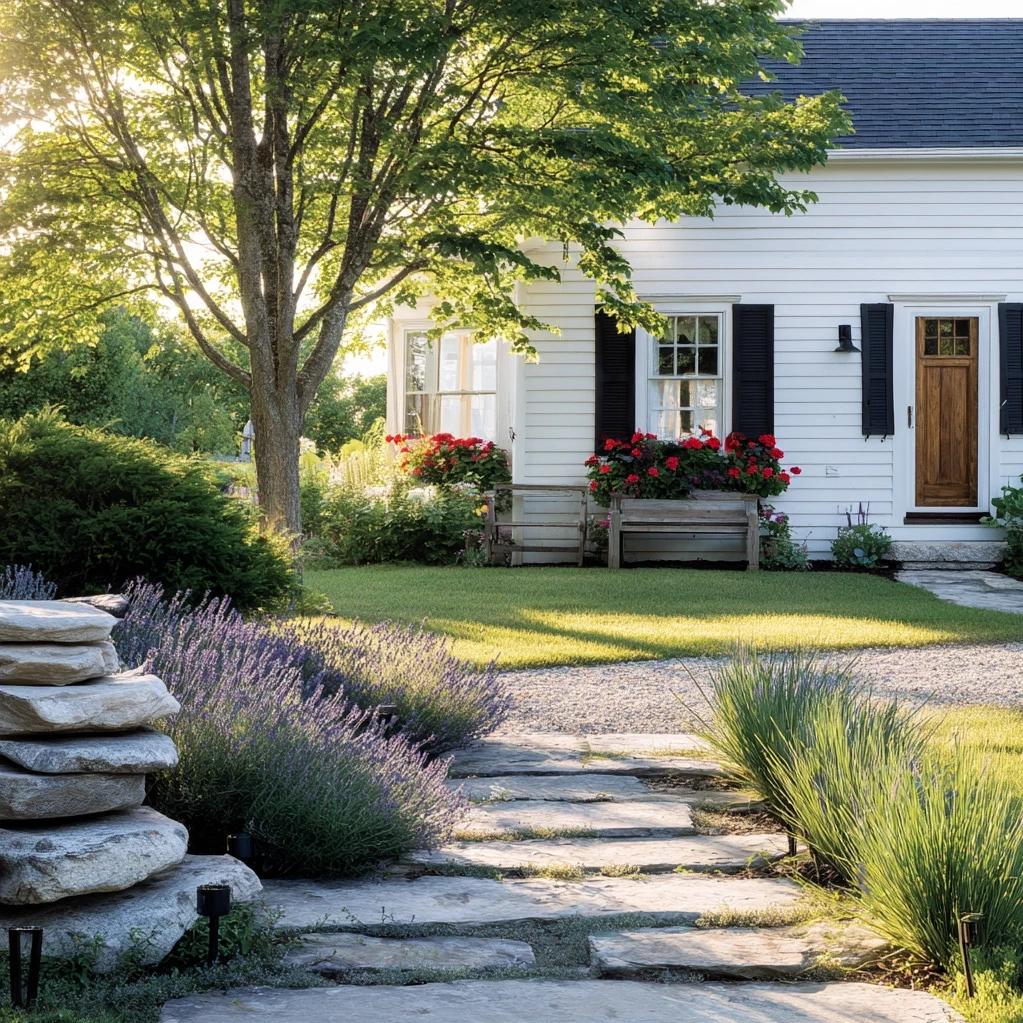
Your front yard is the first impression your home makes—a powerful canvas that can elevate your property’s value, enhance your daily mood, and transform your neighborhood’s charm. A thoughtful front yard landscaping design isn’t just about planting a few flowers or mowing the lawn; it’s about creating a cohesive, inviting space that reflects your style while serving practical purposes. Whether you have a sprawling suburban lot or a compact urban patch, the right design can turn ordinary grass into a stunning showcase that welcomes guests, supports local ecosystems, and makes coming home a joy every single day. In today’s world, where curb appeal significantly impacts real estate markets and personal well-being, investing time in your front yard pays dividends in both aesthetic pleasure and financial return. This guide will help you navigate the essentials of front yard landscaping design, from planning principles to plant selection, ensuring your outdoor space becomes a source of pride rather than a chore. By focusing on key elements like layout, functionality, and sustainability, you can craft a front yard that not only looks beautiful but also thrives with minimal effort. Let’s dive into how you can unlock the incredible potential of your home’s exterior, starting with a vision that blends creativity with practicality.
Planning Your Front Yard Landscaping Design for Maximum Impact
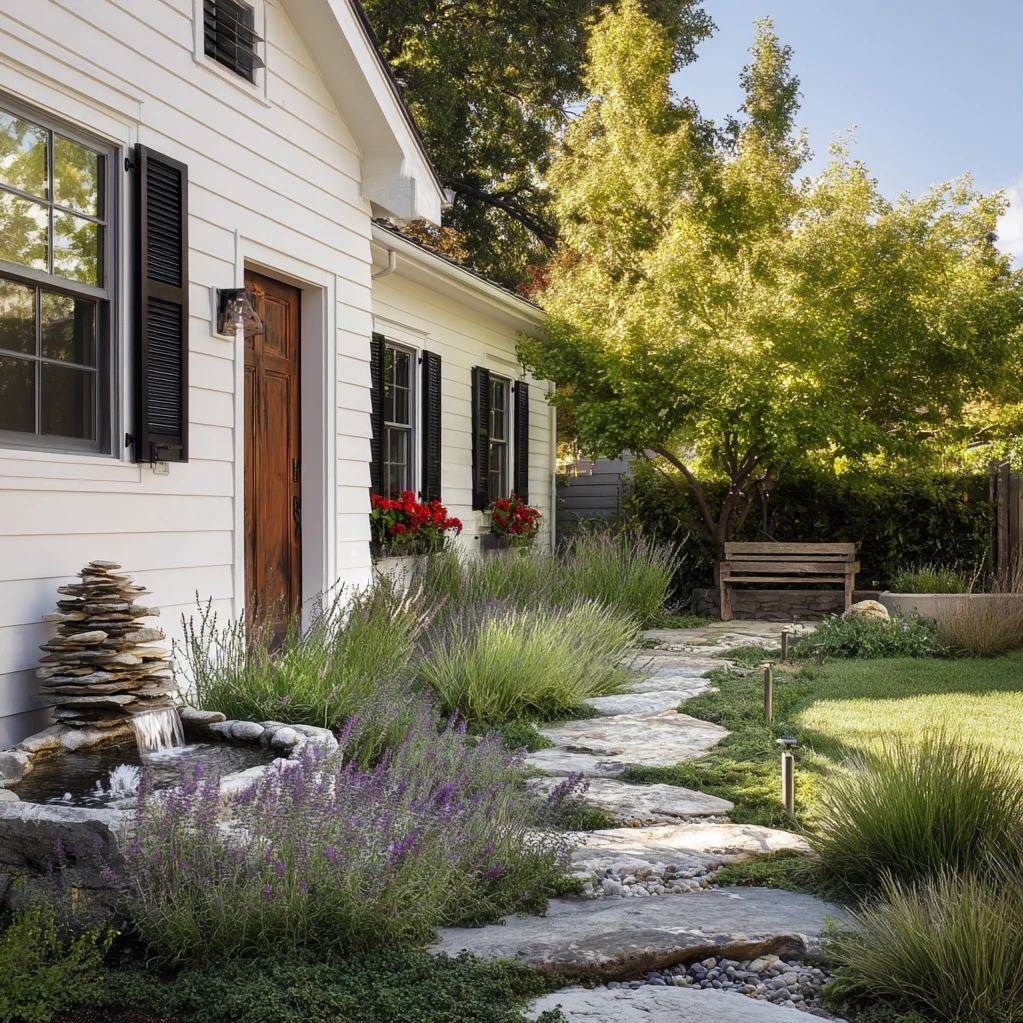
A successful front yard landscaping design begins with careful planning, which sets the foundation for a space that's both beautiful and functional. Start by assessing your yard's existing conditions, including soil type, sunlight exposure, and drainage patterns. Sketch a rough layout, considering key zones like entryways, walkways, and focal points such as a specimen tree or a decorative fountain. Aim for a balanced design that incorporates both hardscape elements—like stone paths or a small patio—and softscape features such as flower beds and shrubs. Think about how the design will look from the street and from inside your home, ensuring it creates a welcoming view year-round. Incorporate layers of height and texture by mixing tall plants in the back with shorter ones in front, and choose a cohesive color palette that complements your home's exterior. Don't forget practical aspects: leave enough space for maintenance access, and opt for low-maintenance plants if you have a busy schedule. By planning with intention, your front yard landscaping design will not only enhance curb appeal but also provide a seamless transition from public to private space, making every arrival feel special. This approach minimizes costly mistakes and ensures your yard evolves gracefully over time, adapting to seasonal changes and personal preferences.
Key Elements of a Functional Front Yard Landscaping Design
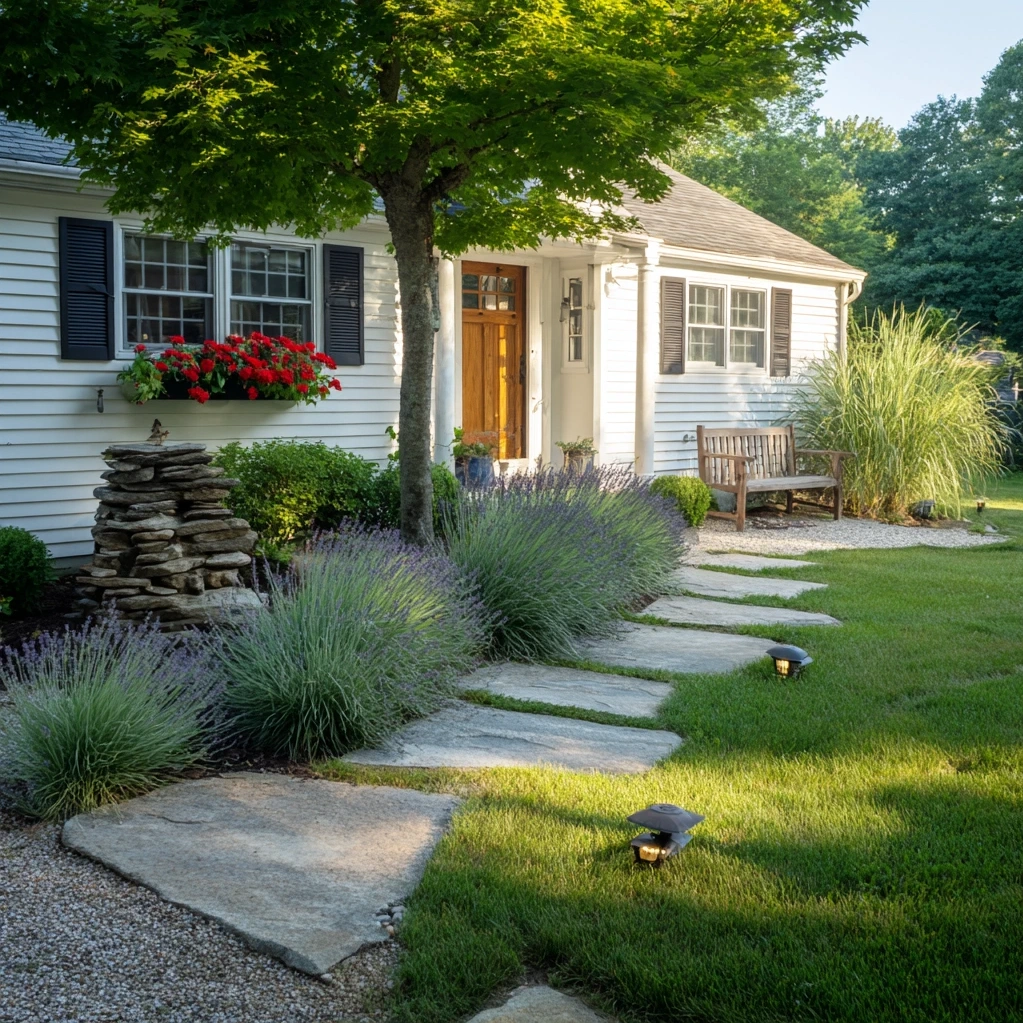
To create a front yard landscaping design that works as hard as it looks, focus on integrating key elements that serve both aesthetic and practical purposes. Start with pathways and walkways, which guide visitors to your door while preventing soil compaction—use materials like pavers, gravel, or brick for durability and visual appeal. Lighting is another crucial component; strategic placement of solar or low-voltage lights along paths and near plants enhances safety and highlights design features after dark. Consider adding a focal point, such as a water feature, sculpture, or a well-placed bench, to draw the eye and create a sense of destination. For plantings, choose a mix of evergreens for year-round structure and seasonal blooms for bursts of color. Incorporate native plants to support local wildlife and reduce water needs, and use mulch to retain moisture and suppress weeds. Don't overlook functional zones: a small seating area can offer a spot to enjoy the outdoors, while well-defined borders keep the design tidy. By balancing these elements, your front yard landscaping design becomes a cohesive environment that's easy to maintain, environmentally friendly, and inviting for all who pass by. This holistic approach ensures every component works together, creating a space that's both stunning and sustainable.
Sustainable Practices in Front Yard Landscaping Design
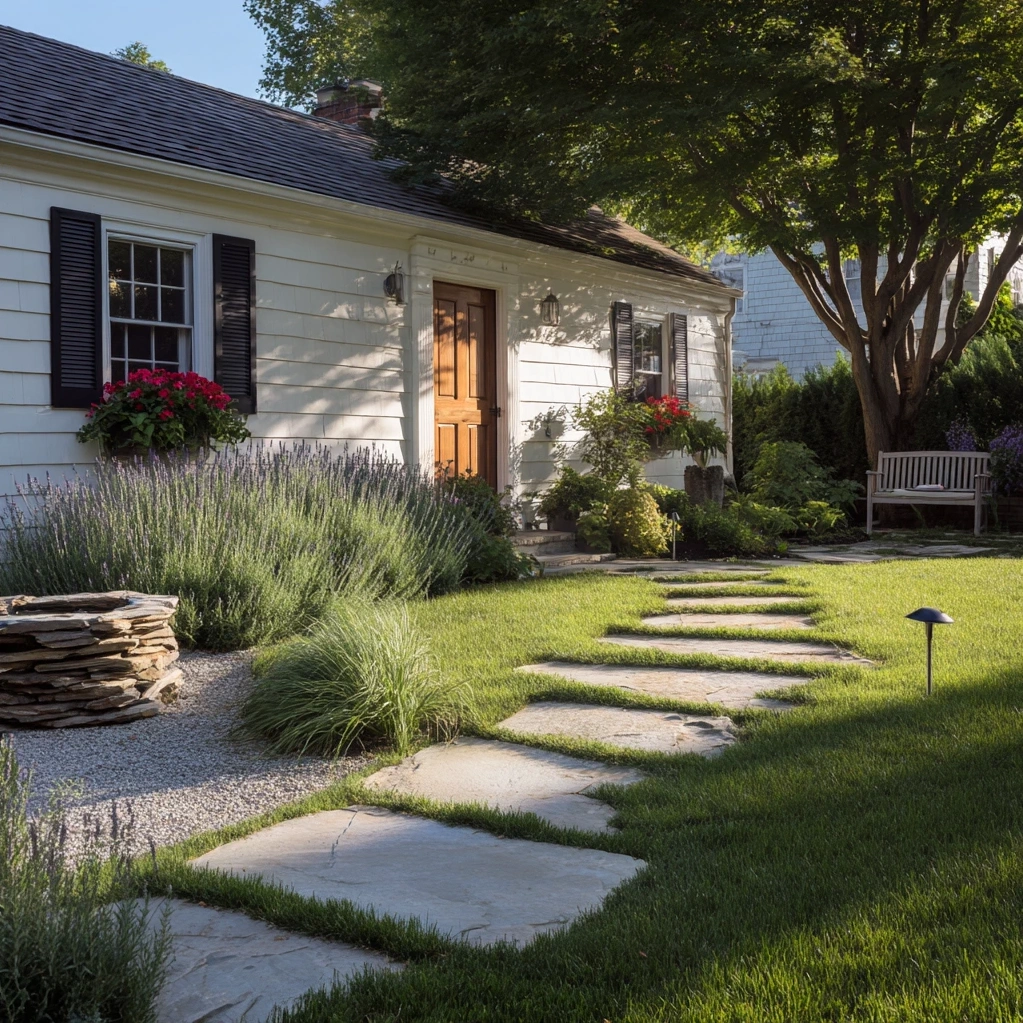
Embracing sustainability in your front yard landscaping design not only benefits the environment but also reduces maintenance and costs over time. Start by selecting drought-tolerant and native plants, which require less water and are adapted to local conditions, helping conserve resources and support pollinators like bees and butterflies. Implement efficient irrigation systems, such as drip lines or soaker hoses, to minimize water waste and target roots directly. Consider replacing some lawn areas with ground covers, permeable paving, or rain gardens that absorb runoff and reduce erosion. Use organic mulches, like wood chips or compost, to improve soil health and retain moisture, avoiding synthetic chemicals that can harm ecosystems. Integrate features like compost bins or rainwater barrels discreetly into your design to recycle nutrients and water. By prioritizing these practices, your front yard landscaping design becomes a model of eco-friendliness, contributing to biodiversity and climate resilience. This approach not only creates a beautiful space but also aligns with modern values of stewardship, making your home a positive force in the community. Sustainable designs often age gracefully, requiring fewer inputs and offering long-term rewards for both you and the planet.
Conclusion
Your front yard landscaping design is a powerful tool to enhance your home's beauty, functionality, and environmental impact. By planning thoughtfully, integrating key elements, and embracing sustainable practices, you can transform an ordinary space into an extraordinary showcase that boosts curb appeal and enriches daily life. Remember, great design balances aesthetics with practicality—choose plants and features that suit your climate and lifestyle, and don't be afraid to start small and evolve over time. As you implement these ideas, your front yard will become a welcoming retreat that reflects your personality and values, inviting neighbors and nature alike. Looking ahead, trends in landscaping continue to emphasize native species, water-wise solutions, and multi-functional spaces, so stay open to adapting your design as new innovations emerge. Whether you're aiming for a lush garden or a minimalist modern look, the principles shared here will guide you toward a front yard that's both stunning and sustainable. Take the first step today by sketching your vision and exploring local resources; your dream landscape is within reach, ready to unlock your home's incredible potential for years to come.
Frequently Asked Questions
Q: What are the best low-maintenance plants for a front yard landscaping design?
For a low-maintenance front yard landscaping design, opt for drought-tolerant perennials, shrubs, and ground covers that thrive with minimal care. Great choices include lavender, which adds fragrance and color while needing little water; ornamental grasses like blue fescue for texture and movement; and evergreen shrubs such as boxwood for year-round structure. Native plants are often ideal, as they're adapted to local conditions and require less watering and pest control. Succulents, like sedum or agave, work well in sunny spots, and mulch can help reduce weeds and retain moisture. By selecting these resilient options, you can create a beautiful design that saves time and resources.
Q: How can I improve curb appeal with a small front yard landscaping design?
Even with a small front yard, you can dramatically enhance curb appeal through strategic landscaping design. Focus on creating a clear, inviting path to your entryway using materials like flagstone or gravel, and add potted plants or hanging baskets to maximize vertical space without crowding. Choose a focal point, such as a small tree or a decorative container, to draw attention, and use mirrors or light colors to make the area feel larger. Keep plantings simple and cohesive—stick to a limited palette of colors and textures to avoid clutter. Lighting along the path and near key features can add warmth and safety. By emphasizing clean lines and functional elements, your small front yard will feel welcoming and well-designed.
Q: What budget-friendly tips can I use for a front yard landscaping design?
Creating a stunning front yard landscaping design on a budget is achievable with smart planning and DIY efforts. Start by dividing your project into phases, tackling high-impact areas like the entryway first. Use inexpensive materials like mulch or gravel for pathways, and propagate plants from cuttings or seeds instead of buying mature specimens. Shop sales at local nurseries or join plant swaps for affordable options. Repurpose items like old containers or stones as decorative elements, and focus on low-maintenance plants to reduce long-term costs. Doing the work yourself, such as planting and mulching, can save on labor expenses. With creativity and patience, you can build a beautiful design without breaking the bank.

