Cottage Garden Design: Effortlessly Enchanting Outdoor Magic

Imagine stepping outside into a space that feels like it’s been plucked from a storybook—a lush, romantic, and delightfully untamed oasis where flowers spill over pathways and fragrance fills the air. This is the essence of cottage garden design, a timeless approach to landscaping that celebrates natural beauty, abundance, and a sense of cozy charm. Unlike rigid, formal gardens, cottage gardens embrace a more relaxed, organic style that feels both inviting and personal. They are a celebration of life, color, and texture, designed to be enjoyed rather than just admired from afar. The importance of cottage garden design lies in its ability to transform any outdoor area, whether a sprawling yard or a modest balcony, into a sanctuary that nourishes the soul and connects you with nature. It’s not about perfection but about creating a space that feels alive, welcoming, and uniquely yours. In today’s fast-paced world, these gardens offer a peaceful retreat, encouraging mindfulness and a slower pace of life. They also support local ecosystems by attracting pollinators like bees and butterflies, making them both beautiful and beneficial. Embracing cottage garden design means embracing imperfection, creativity, and the simple joy of watching things grow. It’s a design philosophy that prioritizes feeling over formality, making it accessible to gardeners of all skill levels. Whether you’re starting from scratch or looking to infuse more character into an existing space, this guide will show you how to capture that enchanting cottage garden magic in your own home.
Core Principles of Cottage Garden Design
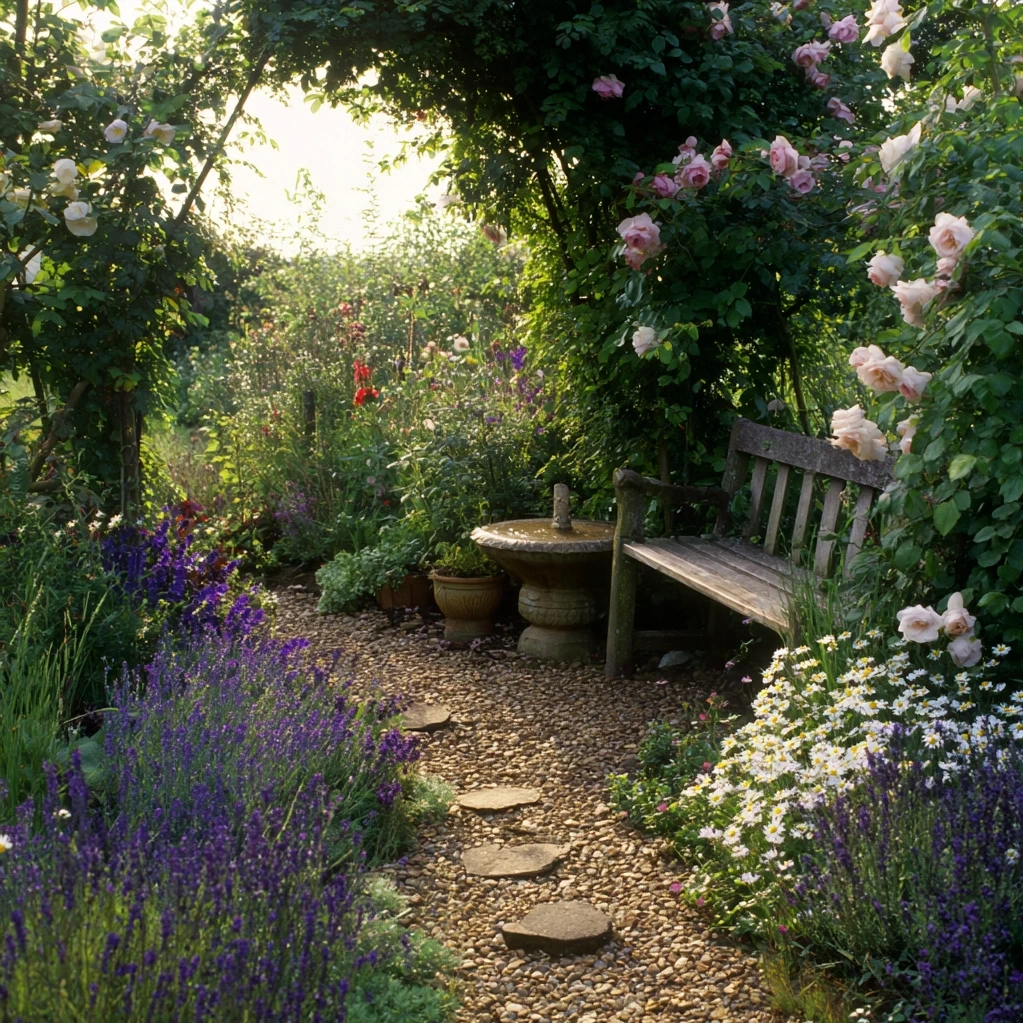
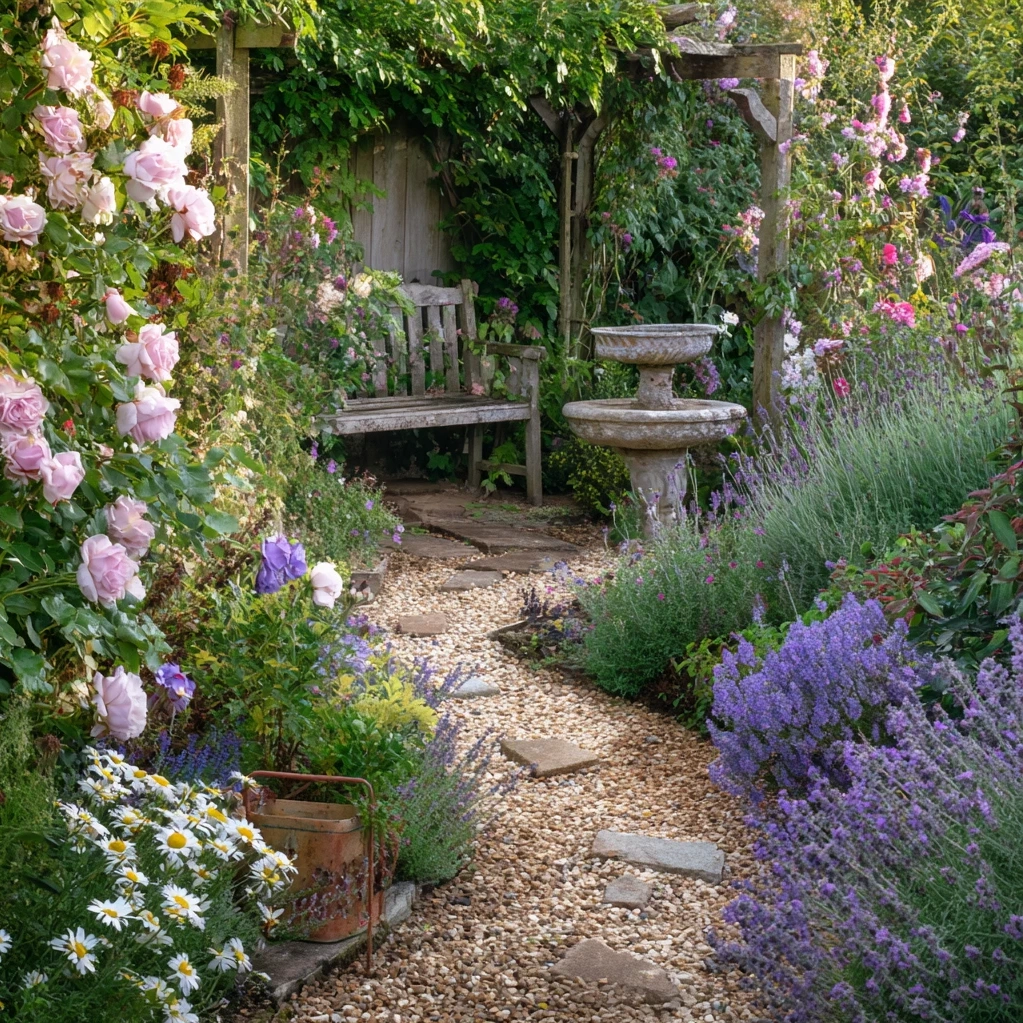
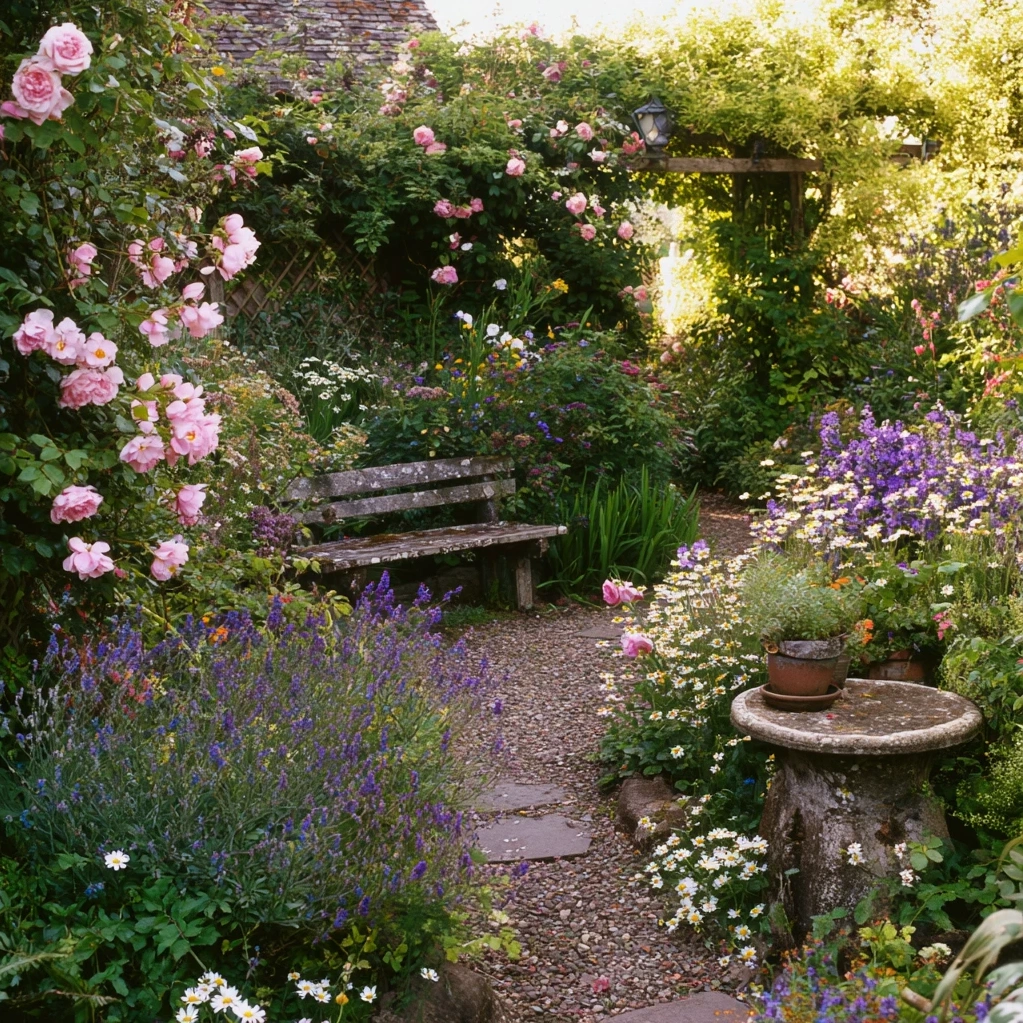
At the heart of every successful cottage garden design are a few key principles that set it apart from other landscaping styles. First and foremost is the idea of abundance. Cottage gardens are lush, densely planted spaces where flowers, herbs, and vegetables mingle freely. Unlike formal gardens with neat rows and strict boundaries, here plants are allowed to grow together in a seemingly haphazard yet harmonious way. This creates a rich tapestry of colors, textures, and heights that feels both wild and intentional. Another essential principle is the use of traditional materials. Think weathered wood, rustic stone, and wrought iron—elements that add age and character. Paths might be made of gravel or stepping stones, often winding rather than straight, to encourage exploration and discovery. Fences or arbors covered in climbing roses or clematis frame the space, adding vertical interest and a sense of enclosure. Cottage garden design also emphasizes seasonality. The goal is to have something in bloom from spring through fall, with plants chosen for their staggered flowering times. This ensures the garden remains vibrant and dynamic throughout the growing season. Finally, personal touches are crucial. Cottage gardens often include whimsical elements like vintage watering cans, birdhouses, or hand-painted signs, reflecting the gardener’s personality. By embracing these principles, you create a space that feels lived-in and loved, full of life and charm.
Essential Plants for a Stunning Cottage Garden Design
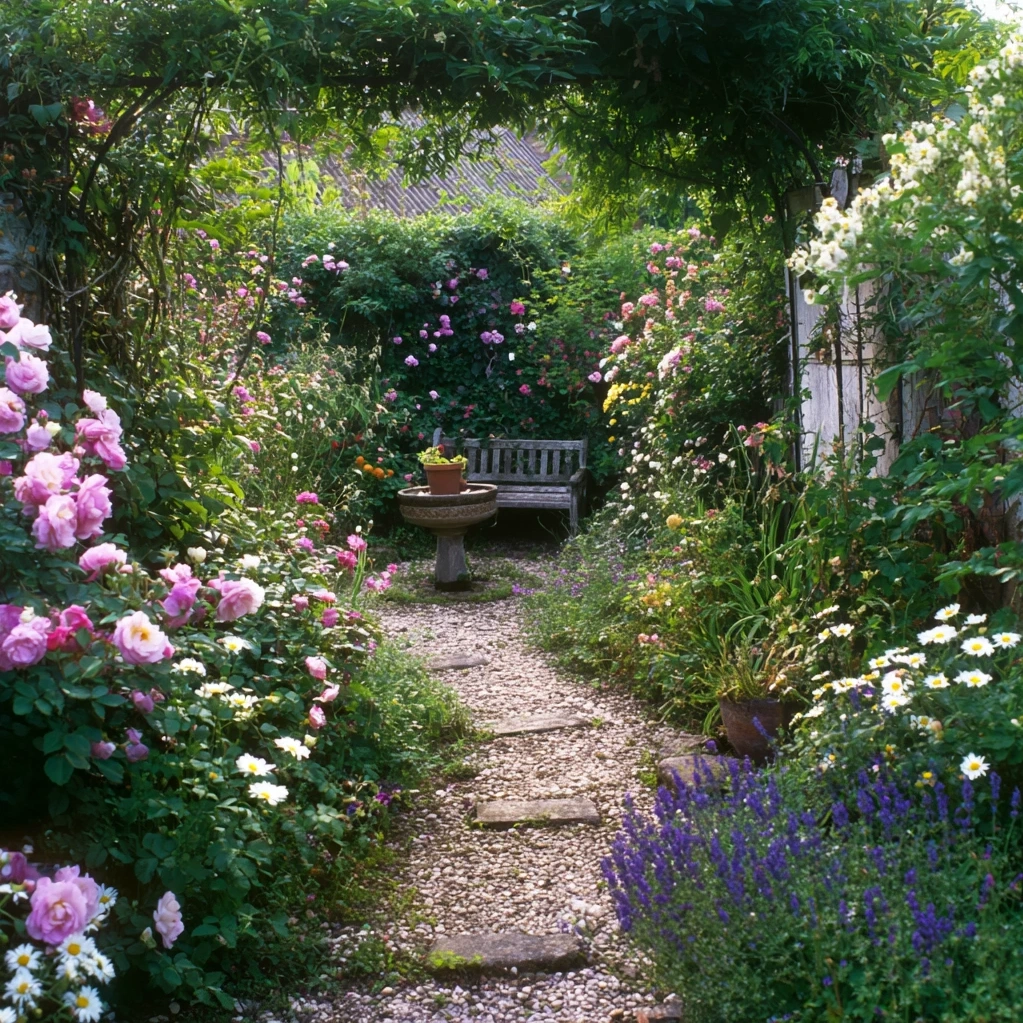
Choosing the right plants is fundamental to achieving an authentic cottage garden design. The key is to select a mix of perennials, annuals, herbs, and even some vegetables, focusing on varieties that are hardy, fragrant, and visually appealing. Classic cottage garden flowers include roses, especially old-fashioned types like David Austin or climbing varieties, which add romance and structure. Delphiniums and foxgloves bring height and drama, while lavender and catmint offer soft, silvery foliage and a soothing scent. For ground cover and filler, consider plants like alyssum, violas, and sweet woodruff, which spread gently and fill in gaps. Herbs such as thyme, sage, and rosemary are not only practical for cooking but also add texture and fragrance. Don’t forget about climbing plants—clematis, honeysuckle, and jasmine can be trained over arbors or fences to create vertical layers. In a cottage garden design, diversity is more important than uniformity. Mix different leaf shapes, from the fine fronds of ferns to the broad leaves of hostas, to create visual interest even when flowers aren’t in bloom. Color palettes tend to be soft and romantic, with lots of pinks, purples, whites, and blues, though pops of brighter colors like yellow or red can add excitement. Planting in drifts or clusters rather than single specimens helps achieve that lush, abundant look. Remember to consider your local climate and soil conditions—opting for native or adapted plants can reduce maintenance and support local wildlife. With careful selection, your cottage garden will be a thriving, ever-changing display of beauty.
Practical Tips to Implement Your Cottage Garden Design
Bringing your cottage garden design to life requires some planning and practical know-how, but it doesn’t have to be overwhelming. Start by assessing your space. Even a small corner or balcony can be transformed with containers and vertical elements. If you have a larger area, sketch a rough layout, keeping paths curved and planting beds irregularly shaped to mimic natural growth. Soil preparation is crucial. Cottage gardens thrive in rich, well-draining soil, so amend with compost or organic matter before planting. When it comes to planting, embrace the “layered” approach. Place taller plants like hollyhocks or sunflowers at the back or center, medium-height flowers like peonies or daisies in the middle, and low-growing creepers like creeping thyme at the edges. This creates depth and ensures every plant gets its moment in the sun. Maintenance is simpler than it might seem. Regular deadheading encourages more blooms, and light pruning keeps plants from becoming too leggy. Allow some self-seeding—plants like poppies or forget-me-nots will naturalize, adding to the garden’s spontaneous feel. Water deeply but infrequently to encourage strong root growth, and mulch with organic materials to retain moisture and suppress weeds. Incorporate functional elements like a bench or a small pond to enhance the relaxing atmosphere. Finally, be patient. Cottage garden design evolves over time, filling in and maturing with each season. Don’t be afraid to experiment—move plants around, try new combinations, and let the garden guide you. With these tips, you’ll create a space that’s not only beautiful but also joyfully manageable.
Overcoming Common Challenges in Cottage Garden Design
While cottage garden design is wonderfully forgiving, it’s not without its challenges. One common issue is overcrowding. Because these gardens thrive on density, it’s easy to plant too closely, leading to competition for light, water, and nutrients. To avoid this, give plants enough space to reach their mature size, and thin out seedlings as needed. Another challenge is managing pests and diseases in a diverse planting. Encourage natural predators like ladybugs by avoiding harsh pesticides, and choose disease-resistant plant varieties. Good air circulation, achieved by proper spacing and pruning, also helps prevent fungal issues. Weeds can be another concern, but in a cottage garden, some “weeds” like clover or dandelions might be tolerated for their ecological benefits. Use mulch to suppress unwanted growth, and hand-pull weeds regularly. For those dealing with limited space, vertical gardening is a fantastic solution. Trellises, wall planters, and hanging baskets allow you to grow upwards, maximizing every inch. In areas with poor soil, raised beds or containers filled with quality potting mix can provide the ideal growing conditions. Seasonal maintenance, such as cutting back perennials in fall and dividing overgrown clumps in spring, keeps the garden healthy and vibrant. Lastly, remember that cottage garden design is meant to be adaptable. If a plant isn’t thriving, don’t hesitate to replace it with something better suited to your conditions. Embrace imperfections—a few gaps or uneven blooms add to the charm. By addressing these challenges proactively, you’ll ensure your cottage garden remains a thriving, enchanting retreat for years to come.
Conclusion
Cottage garden design offers a beautiful escape from the ordinary, transforming any outdoor space into a lush, romantic haven that feels both timeless and personal. By embracing principles like abundance, traditional materials, and seasonality, you can create a garden that delights the senses and nurtures the soul. The key plants—from fragrant roses to sprawling herbs—build a vibrant tapestry of color and texture, while practical tips on layout and maintenance make the process accessible to everyone. Even common challenges, like overcrowding or limited space, can be overcome with smart strategies and a bit of patience. As you embark on your cottage garden journey, remember that this style is less about rigid rules and more about expressing creativity and joy. Let your garden evolve naturally, adding personal touches and adapting to the rhythms of the seasons. Looking ahead, cottage garden design continues to inspire modern gardeners seeking sustainability and connection to nature. By incorporating native plants and eco-friendly practices, these gardens can become even more resilient and beneficial to local wildlife. Whether you’re starting small with a few containers or transforming an entire yard, the magic of a cottage garden lies in its ability to bring peace, beauty, and a sense of wonder to your daily life. So grab your gloves, get planting, and watch as your own enchanting outdoor story unfolds.
Frequently Asked Questions
Q: What is the main difference between cottage garden design and formal garden design?
Cottage garden design emphasizes a relaxed, abundant, and informal style with mixed plantings, curved paths, and a focus on natural beauty. Plants are allowed to grow together freely, creating a lush, romantic feel. In contrast, formal garden design features symmetry, neat geometric shapes, structured layouts, and often monochromatic or limited color schemes, with plants arranged in precise rows or patterns for a more controlled, elegant appearance.
Q: Can I create a cottage garden design in a small space or urban area?
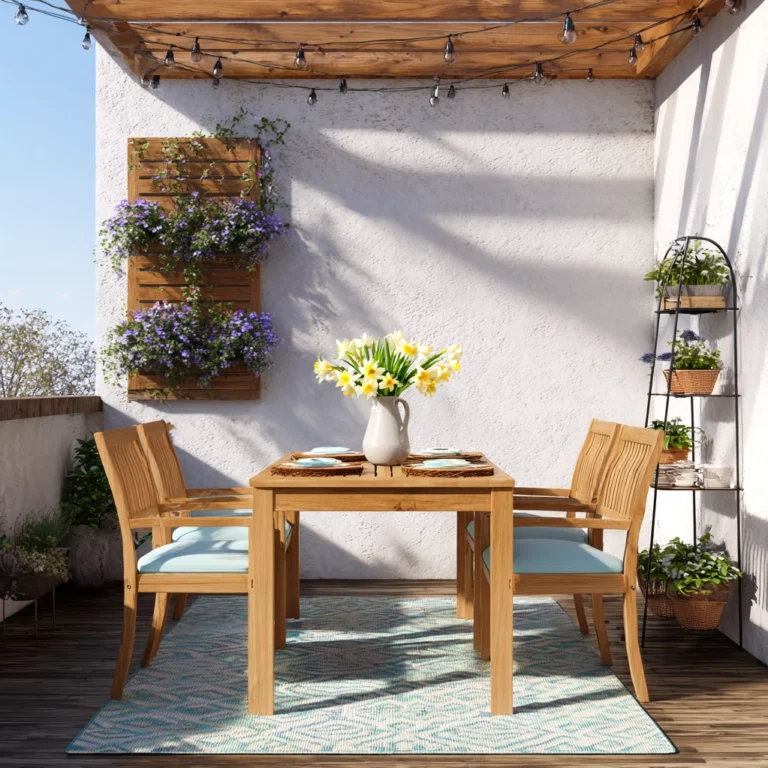
Absolutely! Cottage garden design is highly adaptable to small spaces. Use containers, vertical elements like trellises or wall planters, and hanging baskets to maximize area. Focus on compact or dwarf plant varieties, and mix flowers, herbs, and even small vegetables. Even a balcony or patio can become a charming cottage-style retreat with the right plant selection and layered arrangements, proving that you don’t need a large yard to enjoy this enchanting style.
Q: How much maintenance does a cottage garden require?
Cottage gardens are relatively low-maintenance compared to formal gardens, but they do require regular care. Key tasks include deadheading spent blooms to encourage more flowers, light pruning to shape plants, and occasional weeding. They benefit from seasonal attention like cutting back perennials in fall and dividing overgrown plants in spring. However, their informal nature allows for some self-seeding and natural growth, reducing the need for meticulous upkeep. With proper planning, maintenance can be a joyful, manageable part of your routine.