
German Pancake Magic: The Effortless, Fluffy Breakfast You’ll Adore

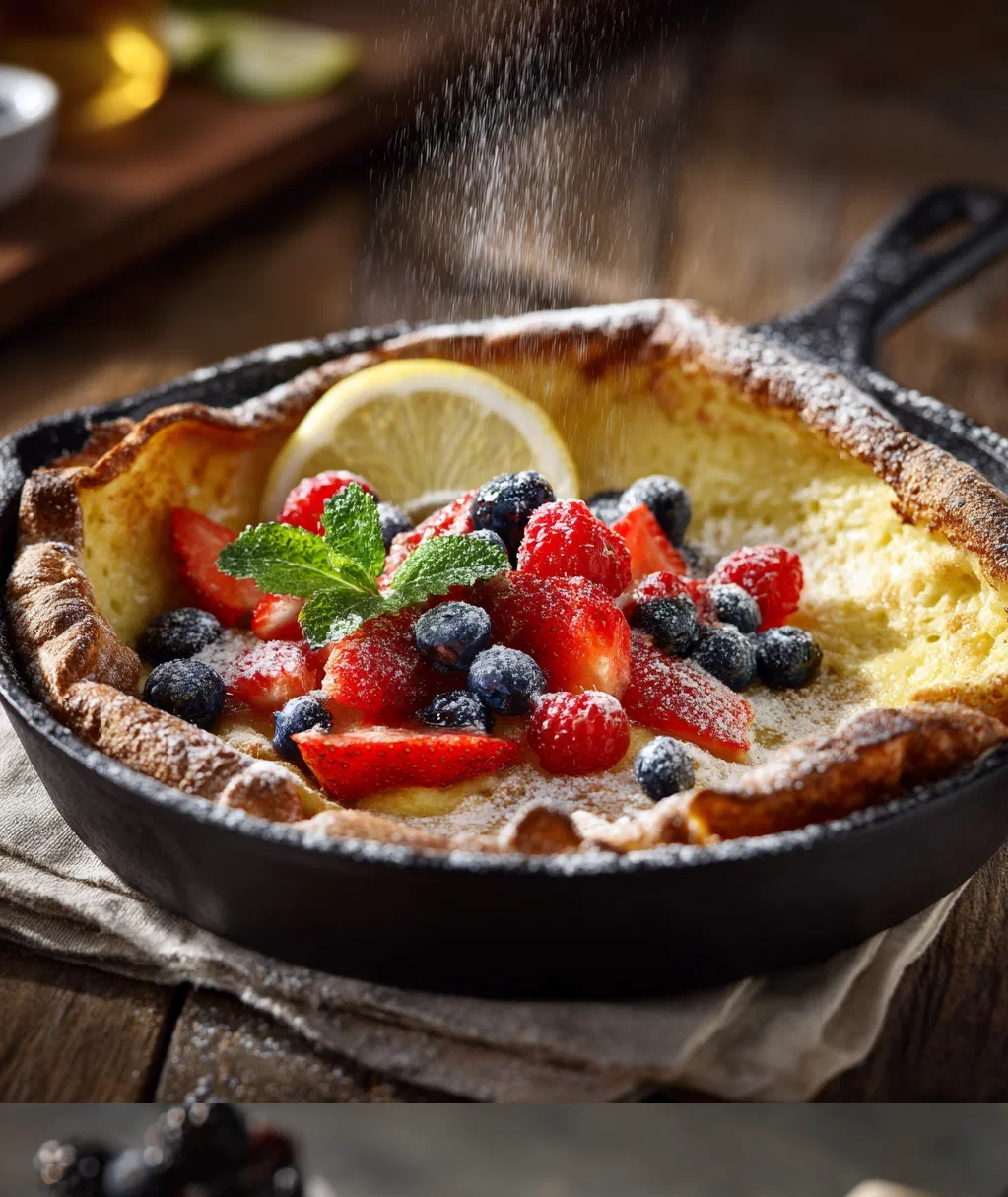
You know those weekend mornings when you want something special for breakfast, but you don’t want to spend hours in the kitchen? That’s exactly why I’m obsessed with making German pancakes. Seriously, if there’s one breakfast recipe that feels like a warm hug and looks impressive with minimal effort, it’s this one. I first tried a German pancake years ago at a friend’s house, and I couldn’t believe how something so simple could be so delicious. The way it puffs up in the oven, creating those golden, custardy edges with a tender center… it’s pure magic.
What I love most about a German pancake is how forgiving it is. You don’t need any special skills or fancy equipment—just a blender or whisk, a baking dish, and basic pantry staples. It’s the kind of dish that makes everyone at the table go “wow” when you pull it out of the oven, but secretly you know it took about five minutes to throw together. Whether you’re feeding a crowd or just treating yourself, this recipe has become my go-to for lazy weekends, holiday mornings, or even when I want a quick dessert. Trust me, once you try making a German pancake, you’ll wonder how you ever lived without it.
Why You'll Love This German Pancake Recipe
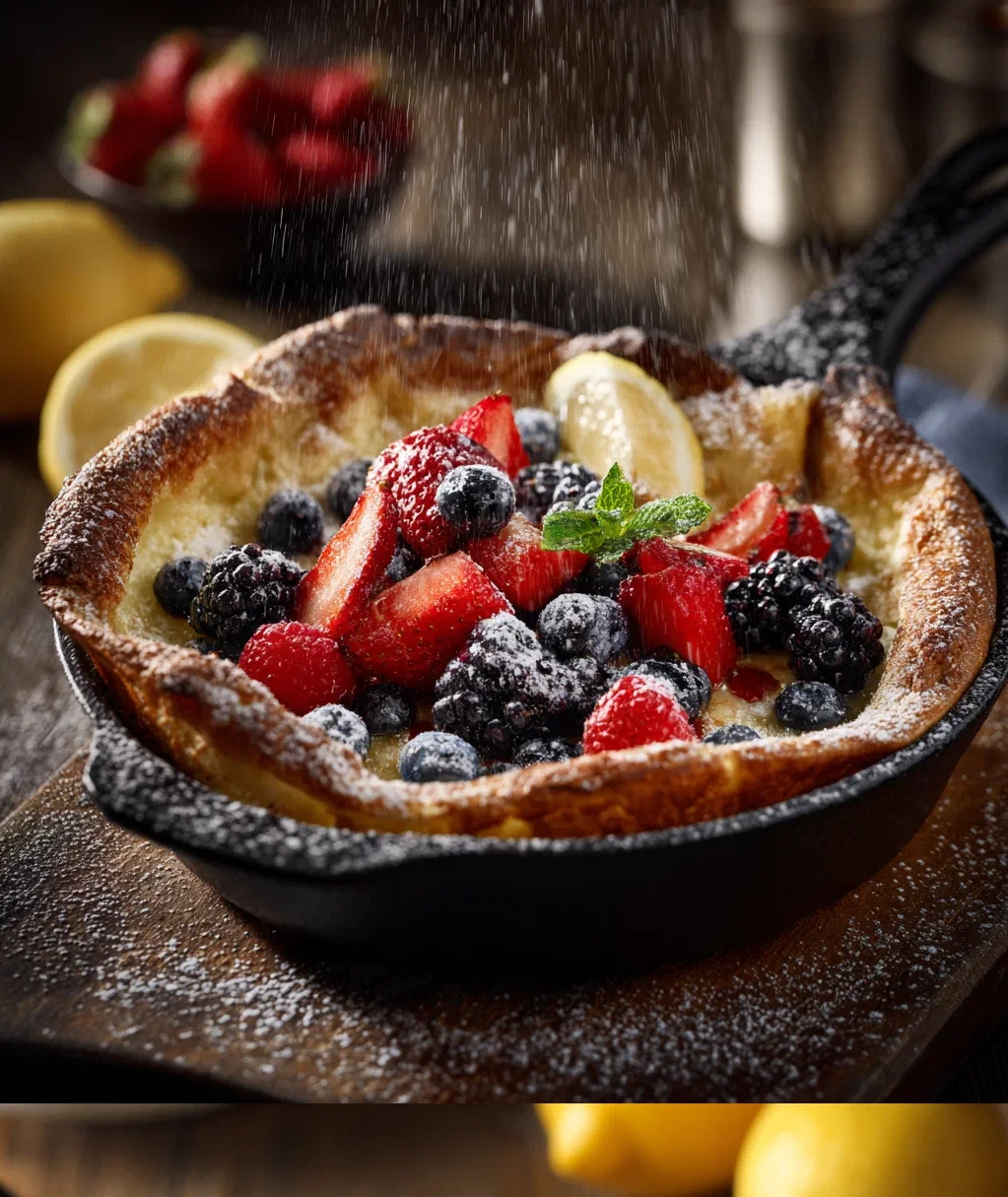
Let me tell you why this German pancake might just become your new favorite breakfast. First off, it’s incredibly easy. You literally just blend a few ingredients, pour them into a hot pan, and let the oven do all the work. No flipping, no babysitting—just set it and forget it for 20 minutes while it transforms into something spectacular.
Here are my top reasons this recipe is a winner:
- Minimal effort, maximum wow factor: The dramatic puff makes it look like you spent hours, but it’s actually one of the simplest breakfasts you can make.
- Versatile: You can serve it sweet with powdered sugar and lemon, or go savory with herbs and cheese. It adapts to whatever you’re craving.
- Feeds a crowd: One German pancake easily serves 4-6 people, making it perfect for family breakfasts or brunch with friends.
- Kid-friendly: My nieces and nephews go crazy for it every time. The texture is soft and custardy, not heavy or dense like some pancakes can be.
- Budget-friendly: You probably have all the ingredients already—eggs, milk, flour, butter, and a pinch of salt. Nothing fancy required.
My favorite part is watching it rise in the oven. It starts as a thin batter and slowly billows up, forming those beautiful golden-brown edges that are slightly crispy. The center stays tender and eggy, almost like a cross between a pancake and a custard. The aroma that fills your kitchen is pure comfort—warm, buttery, and slightly sweet.
German Pancake Ingredients You Need
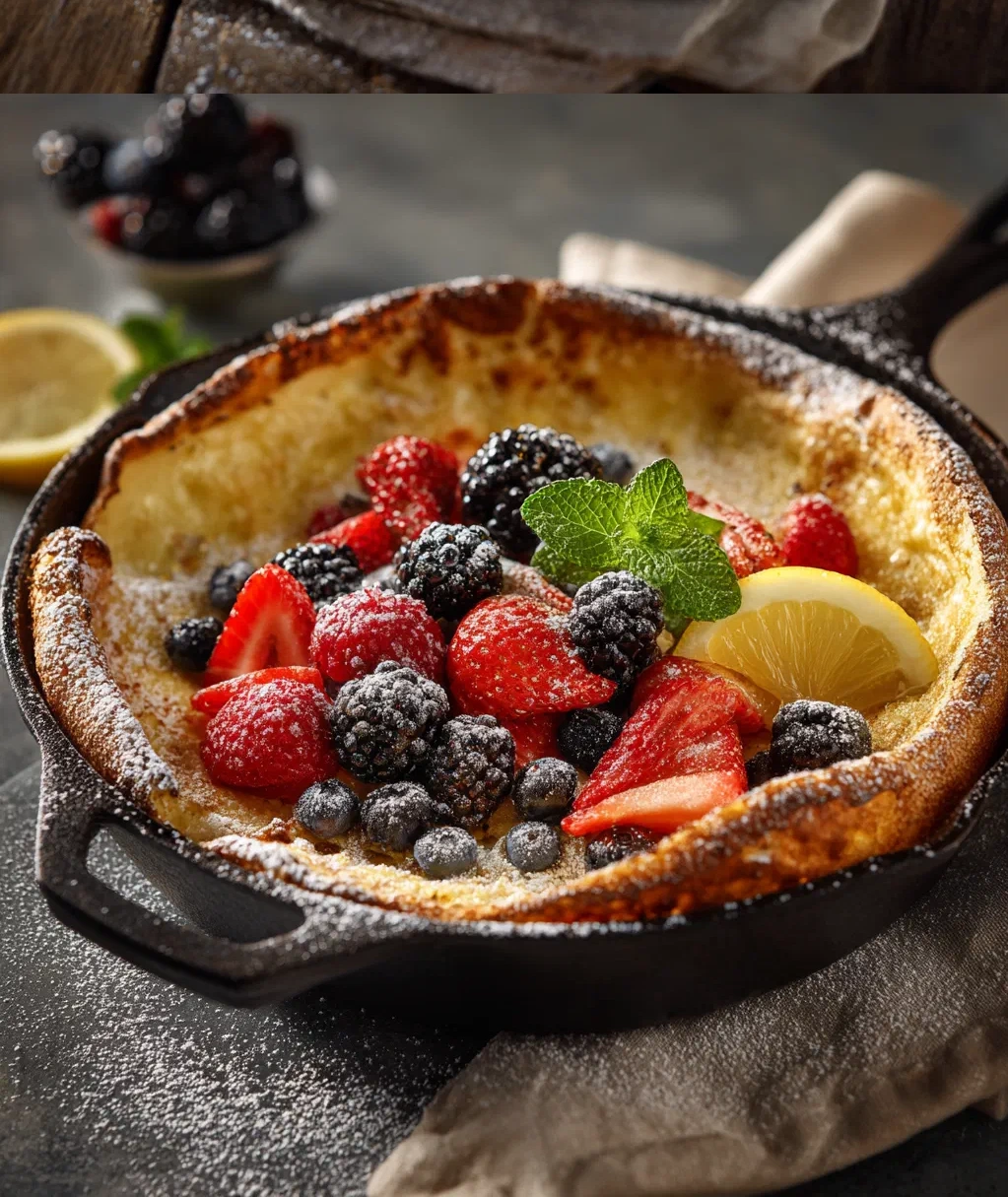
One of the best things about making a German pancake is that you don’t need to run to the store for special ingredients. Here’s everything you’ll need for a perfect German pancake that serves 4-6 people generously:
- 6 large eggs: Room temperature if possible—they’ll blend more smoothly.
- 1 cup all-purpose flour: Just regular flour works great. No need for anything fancy.
- 1 cup whole milk: I prefer whole milk for richness, but 2% works fine too.
- 1/4 cup granulated sugar: This gives it a subtle sweetness. You can adjust to taste.
- 1 teaspoon vanilla extract: Adds that lovely warm flavor. Pure vanilla is worth it here.
- 1/4 teaspoon salt: Don’t skip this—it balances the sweetness perfectly.
- 4 tablespoons unsalted butter: This gets melted in the pan first, creating that delicious buttery crust.
- Optional for serving: Powdered sugar, fresh lemon wedges, berries, maple syrup, or whipped cream.
A quick safety tip: Make sure your baking dish is oven-safe. I use a 10-inch cast iron skillet or a 9×13-inch baking dish, but any similar size works. Just avoid glass dishes if they’re not rated for high heat—the sudden temperature change from adding hot butter could cause cracking. And always use oven mitts when handling hot pans!
That’s it! No leavening agents, no complicated steps. Just simple, quality ingredients that come together to create something truly special. I always make sure my butter is unsalted so I can control the seasoning, and fresh eggs make a noticeable difference in the texture.
How to Make the Perfect German Pancake: Step-by-Step
Ready to make magic happen? Here’s my foolproof method for creating the most amazing German pancake. Follow these steps, and you’ll have a show-stopping breakfast in no time.
- Preheat and prepare: Start by preheating your oven to 425°F (220°C). Place your baking dish or skillet in the oven as it heats—this helps create that initial puff when the batter hits the hot pan.
- Blend the batter: While the oven heats, combine the eggs, flour, milk, sugar, vanilla, and salt in a blender. Blend on high for about 30 seconds until completely smooth and frothy. You can also whisk vigorously by hand, but a blender makes it super easy and ensures no lumps. The batter should be thin, like heavy cream.
- Heat the butter: Carefully remove the hot dish from the oven using oven mitts. Add the butter and swirl until melted and coating the entire bottom. Be careful—the pan is hot! The butter should sizzle a bit and start to brown slightly around the edges. This creates that delicious crispy crust.
- Pour and bake: Immediately pour the batter into the hot, buttery dish. It should sizzle when it hits the pan—that’s a good sign! Quickly return it to the oven and bake for 20-25 minutes. Don’t open the oven door during the first 15 minutes, or your German pancake might deflate.
- Watch it transform: After about 10 minutes, you’ll see it start to rise dramatically. It will puff up around the edges first, then the center will follow. The edges will turn golden brown and crispy, while the center stays soft and custardy. It’s done when the edges are deeply golden and the center is just set—it will still jiggle slightly when you shake the pan.
- Serve immediately: German pancakes are best served right out of the oven while they’re still puffy. It will deflate slightly as it cools, which is totally normal and doesn’t affect the taste at all.
My pro tip: Time it so you’re ready to eat as soon as it comes out of the oven. The texture is at its absolute best when it’s fresh and warm. And don’t worry if yours doesn’t puff as much as pictures you’ve seen—every oven is different, and it will still taste incredible.
Delicious German Pancake Variations to Try
Once you’ve mastered the basic German pancake, the fun really begins! Here are some of my favorite ways to mix it up. The basic recipe is like a blank canvas—you can take it in so many delicious directions.
Sweet variations:
- Berry bliss: Sprinkle a cup of fresh or frozen berries (blueberries, raspberries, or sliced strawberries) over the batter right before baking. They’ll sink slightly and create little pockets of fruity goodness.
- Apple cinnamon: Thinly slice one apple and sauté it in a tablespoon of butter with a teaspoon of cinnamon until softened. Arrange the slices in the bottom of the pan before pouring in the batter.
- Chocolate chip: Stir 1/2 cup of chocolate chips into the batter. They’ll melt slightly and create gooey chocolate pockets throughout.
- Lemon poppy seed: Add the zest of one lemon and a tablespoon of poppy seeds to the batter. Serve with extra lemon wedges for squeezing over the top.
Savory twists: Yes, you can make a savory German pancake too! Just reduce the sugar to 1 tablespoon and add these instead:
- Herb and cheese: Mix in 1/2 cup of shredded cheese (cheddar, gruyère, or parmesan work great) and a tablespoon of fresh herbs like chives, thyme, or rosemary.
- Bacon and scallion: Cook 4 slices of bacon until crispy, crumble them, and mix into the batter along with 2 chopped scallions. So good with a dollop of sour cream on top.
You can also play with the baking dish—a cast iron skillet gives it those beautiful crispy edges, while a ceramic baking dish creates a softer texture all around. Just adjust the baking time slightly based on your dish. Thinner pans cook faster, so keep an eye on it after 15 minutes.
The beauty of a German pancake is how adaptable it is. Don’t be afraid to experiment with what you have on hand. I’ve made it with almond milk when I was out of regular milk, and it turned out just fine. The key is maintaining the egg-to-liquid ratio, and everything else is flexible.
Serving and Storing Your German Pancake
Presentation is half the fun with a German pancake! Here’s how I love to serve it, plus tips for leftovers (if you have any—which is rare in my house).
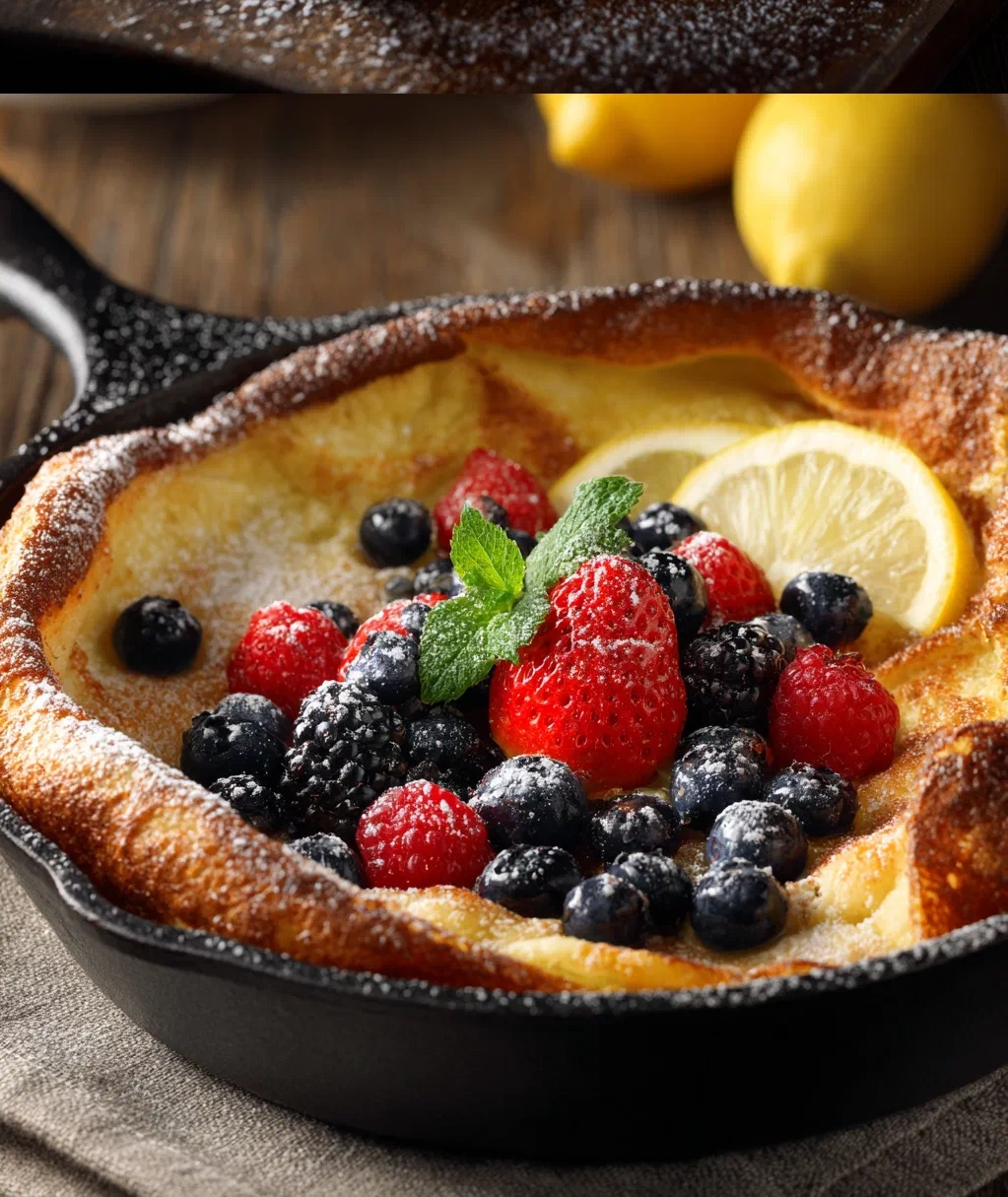
Serving suggestions: The classic way is with a generous dusting of powdered sugar and fresh lemon wedges for squeezing over the top. The combination of warm, buttery pancake with bright lemon is absolute perfection. Here are some other serving ideas:
- Fresh berries or sliced fruit on the side or scattered over the top
- A drizzle of maple syrup or honey
- A dollop of whipped cream or Greek yogurt
- For savory versions, try sour cream, salsa, or even a fried egg on top
I usually bring the whole pan to the table and let everyone serve themselves. It looks so impressive that way! Just be sure to use a trivet to protect your table from the hot pan.
Storage tips: If you do have leftovers (maybe you made a double batch), here’s how to handle them:
- Let the German pancake cool completely, then cover tightly with plastic wrap or transfer to an airtight container.
- Store in the refrigerator for up to 3 days.
- To reheat, place slices on a baking sheet in a 350°F oven for 5-10 minutes until warmed through. You can also microwave individual slices for 20-30 seconds, but the texture won’t be as crisp.
- I don’t recommend freezing—the texture changes and becomes a bit rubbery when thawed.
One thing to note: The German pancake will deflate as it cools, which is completely normal. It still tastes amazing, just with a different texture. Some people actually prefer it this way—the custardy center becomes more pronounced.
My favorite way to enjoy leftovers is cold, straight from the fridge with a cup of coffee. The texture firms up and it almost tastes like a sweet, eggy custard. Don’t judge me—it’s delicious!
Conclusion
There you have it—everything you need to create the most amazing German pancake right in your own kitchen. From the simple ingredients to the dramatic oven transformation, this recipe never fails to bring a smile to my face and satisfy everyone at the table. What I love most is how it takes the pressure off weekend cooking while still feeling special. No complicated techniques, no fancy equipment, just good food made with love.
My hope is that this German pancake becomes a regular in your breakfast rotation too. Maybe it’ll be your new holiday morning tradition, or your go-to when friends drop by unexpectedly. The beauty of it is how adaptable it is—sweet or savory, simple or dressed up, it always delivers. So next time you’re wondering what to make for breakfast, remember this recipe. Blend, pour, bake, and watch the magic happen. I promise, once you taste that first bite of warm, custardy perfection with crispy golden edges, you’ll be hooked. Now go preheat that oven—your perfect German pancake is waiting to be made!
Frequently Asked Questions
Q: Why did my German pancake not puff up much?
Don't worry—this happens sometimes! The most common reasons are opening the oven door too early (wait at least 15 minutes), not having your pan hot enough before adding the batter, or overmixing the batter after adding flour. Also, make sure your oven is fully preheated. Even if it doesn't puff dramatically, it will still taste delicious. The puff is mostly for show—the flavor and texture are what really matter.
Q: Can I make a German pancake without a blender?
Absolutely! A blender makes it super easy, but you can definitely make it by hand. Just whisk the eggs vigorously until frothy, then gradually whisk in the milk, sugar, vanilla, and salt. Finally, sift in the flour while whisking constantly to prevent lumps. It takes a bit more elbow grease, but the result is just as good. The key is getting the batter completely smooth.
Q: What's the difference between a German pancake and a Dutch baby?
Great question! They're actually very similar—some people use the terms interchangeably. Generally, a German pancake is baked in a larger, rectangular dish and serves more people, while a Dutch baby is typically made in a smaller skillet for individual servings. The ingredients and method are almost identical. Both puff up dramatically and have that wonderful contrast of crispy edges and tender center. Think of them as cousins from the same delicious family!
Q: Can I make this recipe gluten-free?
Yes, you can! Substitute the all-purpose flour with a 1:1 gluten-free flour blend. I've had great results with blends that contain xanthan gum already in them. The texture might be slightly different, but it will still puff up and taste wonderful. Just make sure all your other ingredients are gluten-free if that's important for your diet.
Q: How do I know when my German pancake is done baking?
Your German pancake is ready when the edges are puffed and deep golden brown, and the center is just set but still slightly jiggly when you gently shake the pan. It usually takes 20-25 minutes at 425°F. The center will continue to cook a bit from residual heat after you take it out. If the edges are getting too dark but the center is still very liquid, you can cover the edges with foil for the last few minutes of baking.
PrintClassic German Pancake
- Total Time: 30
- Yield: 4 servings 1x
Description
A fluffy, oven-baked pancake with crisp edges and a tender center, perfect for a magical breakfast.
Ingredients
3 large eggs
1/2 cup all-purpose flour
1/2 cup whole milk
1 tablespoon granulated sugar
1/4 teaspoon salt
2 tablespoons unsalted butter
Powdered sugar for dusting
Fresh berries for serving
Instructions
Step 1: Preheat oven to 425°F (220°C).
Step 2: In a medium bowl, whisk together eggs, flour, milk, sugar, and salt until smooth.
Step 3: Place butter in a 10-inch ovenproof skillet or baking dish and melt in the preheated oven for 2-3 minutes.
Step 4: Remove skillet from oven and swirl melted butter to coat the bottom and sides.
Step 5: Pour batter into the hot skillet and immediately return to the oven.
Step 6: Bake for 20-25 minutes until puffed and golden brown around the edges.
Step 7: Remove from oven, dust with powdered sugar, and serve immediately with fresh berries.
- Prep Time: 5
- Cook Time: 25
- Category: Breakfast
Nutrition
- Calories: 280
- Fat: 14g
- Carbohydrates: 28g
- Protein: 10g
